Loading model
About
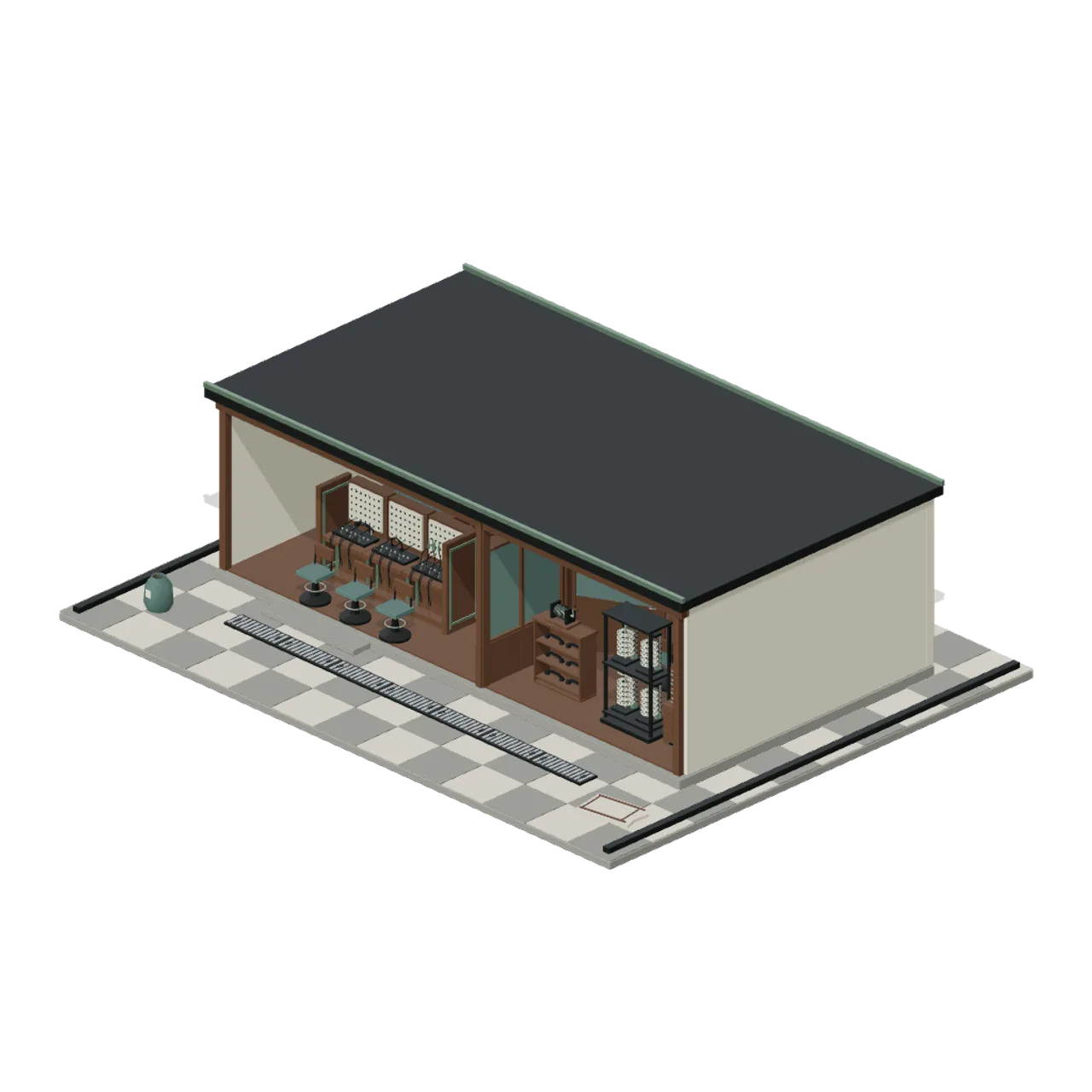
Fictional decommissioned exchange in dark oak, aged ivory, black steel and oxidized copper. Recessed jack fields, continuous patch cords, separate handset bodies, rotary selectors with contact banks, relays with coil/armature detail, and supported overhead cable troughs form a furnished operator room connected to an equipment room. Original abstract indices and plans; not a historic installation replica. All electrical and mechanical devices are static, with no call routing, simulation, electrical instruction, collision or navigation.
Files load directly from the CDN. Choose the pieces you need. Colliders, navigation and gameplay scripts are supplied by your game.
Use with an AI agent
Copy this prompt into your AI chat, then describe what you want to build with the pack.
Use the “Abandoned Telephone Exchange” pack in my project.

Manifest (JSON, every model with its CDN URL): https://3dassets.dev/api/v1/packs/abandoned-telephone-exchange
Starter scene (one GLB with every piece placed): https://cdn.3dassets.dev/assets/32025/v1/model.glb
Pack page: https://3dassets.dev/packs/abandoned-telephone-exchange
Description: Fifty premium manual-exchange and early electromechanical telephone equipment designs with routed cablework and a furnished roofed building.

- 51 GLB models, 21.3 MB in total
- Units: metres, +Y up, shared scale and palette across the pack
- Licence: CC0 1.0 Universal (no attribution required)
- Loading: three.js GLTFLoader; no additional decoders required. Load models individually from the manifest, or the starter scene as one file.
Also available as a JSON manifest or via the MCP server.
Common questions
How do I use Abandoned Telephone Exchange with my AI development tools?
How do I get started?
Which game engines and tools can I use Abandoned Telephone Exchange with?
How do I import this pack into Unity, Godot, Unreal or Blender?
Can I use Abandoned Telephone Exchange in a commercial game, and do I need to credit anyone?
Can I load it from the CDN instead of downloading it?
Do I have to download the whole pack?
Do the models in Abandoned Telephone Exchange fit together?
Game kit
Abandoned Telephone Exchange
Fifty premium manual-exchange and early electromechanical telephone equipment designs with routed cablework and a furnished roofed building.
One GLB with every piece placed in a starter scene. Each model is also below on its own.
View demoEverything in this pack
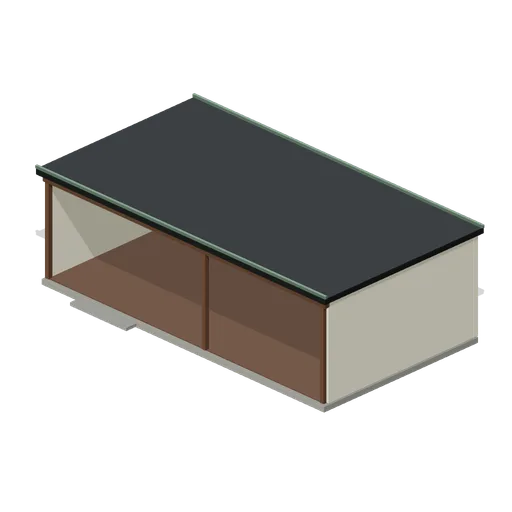
Roofed Exchange Building (Abandoned Telephone Exchange)
Complete eleven-metre exchange shell with thick rear and side walls, full steel-edged roof, timber ceiling beams and framed open-front operator and equipment service bays. Separate glazed partition and door divide its furnished rooms.
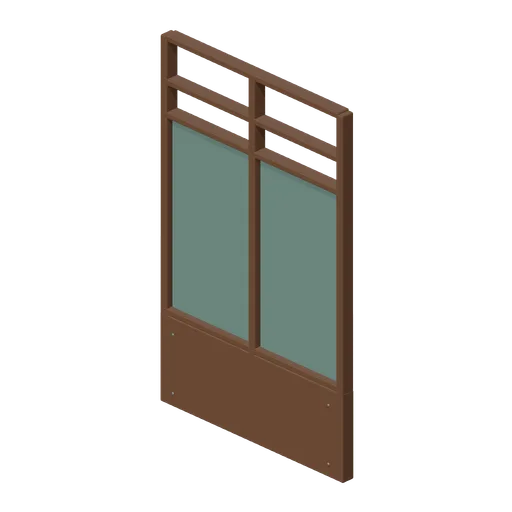
Glazed Operator Partition (Abandoned Telephone Exchange)
Two-metre oak operator partition with thick kick panel, central mullion, two framed glass-like panes and a transom rail; fully modeled front and rear trim.
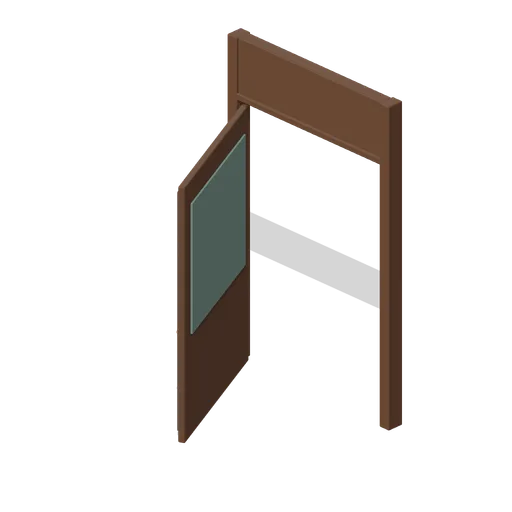
Equipment Room Door (Abandoned Telephone Exchange)
Tall oak doorway and transom with a modeled glazed door held open on its hinge side, real leaf thickness, jambs and projecting handle. Opening connects the two exchange rooms.
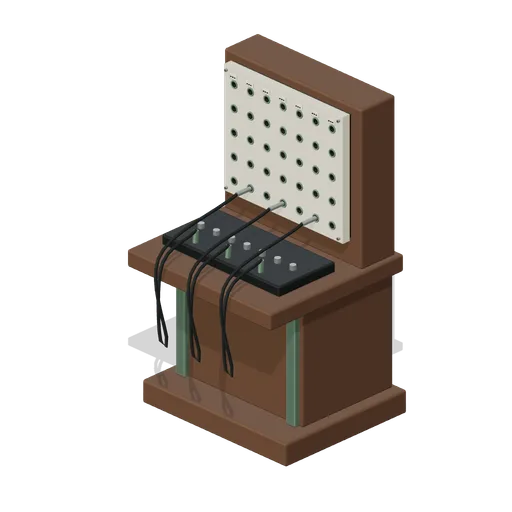
Manual Switchboard Bay (Abandoned Telephone Exchange)
Manual switchboard console with thirty-five genuinely recessed jack openings, ivory index strips, seven lever controls, three connected hanging cords, thick oak writing ledge and rear service panel.

Switchboard End Panel (Abandoned Telephone Exchange)
Thick finished oak switchboard end cheek with raised copper border rails and a broad ground edge, suitable for terminating adjacent switchboard bays.
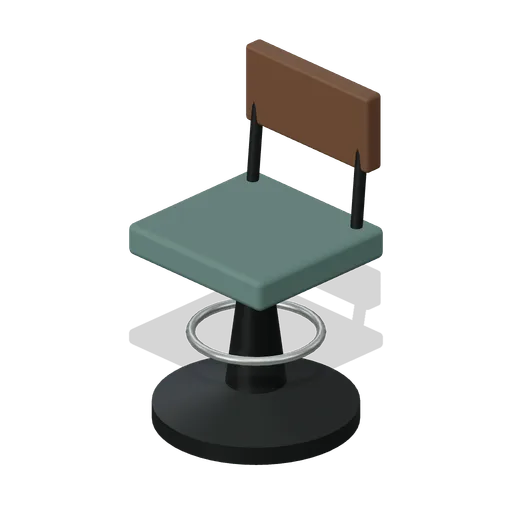
Operator Chair (Abandoned Telephone Exchange)
Adjustable-looking operator chair with wide weighted foot, height spindle, padded seat, curved edged backrest and a circular foot ring; static.
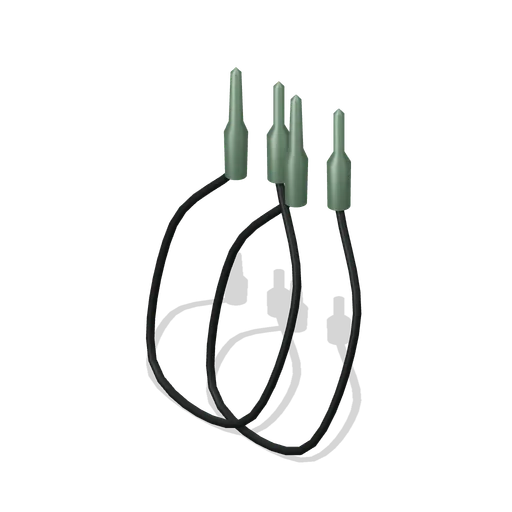
Twin Cord Patch Pair (Abandoned Telephone Exchange)
Paired looped patch cords with four machined plug bodies, stepped metal contact tips and continuous supported-looking cable loops; static spare cord pair.
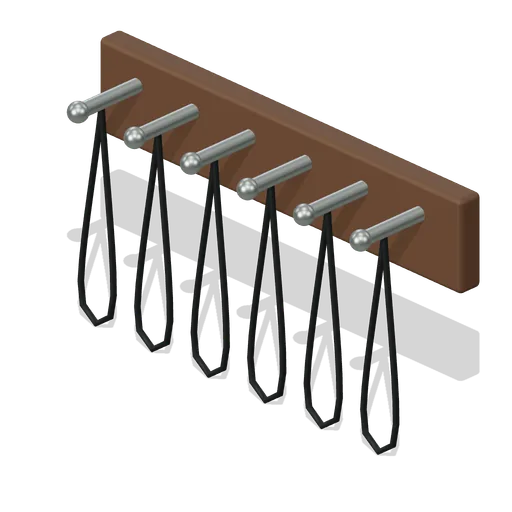
Patch Cord Storage Rail (Abandoned Telephone Exchange)
Oak wall rail with six rounded projecting pegs and six separate hanging cable loops; mounting rail and cable undersides modeled.

Operator Headset (Abandoned Telephone Exchange)
Lightweight operator headset with curved spring band, paired thick ear capsules and a curved speaking-tube boom ending in a small mouthpiece; static.
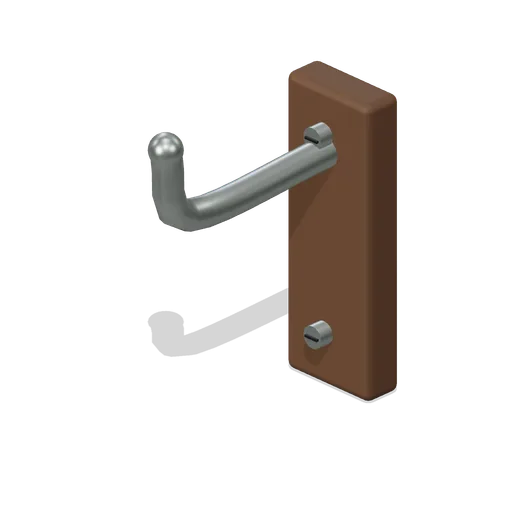
Headset Hanging Bracket (Abandoned Telephone Exchange)
Screwed oak wall bracket with a curved rounded metal hook for a suspended headset; flat rear mounting surface.
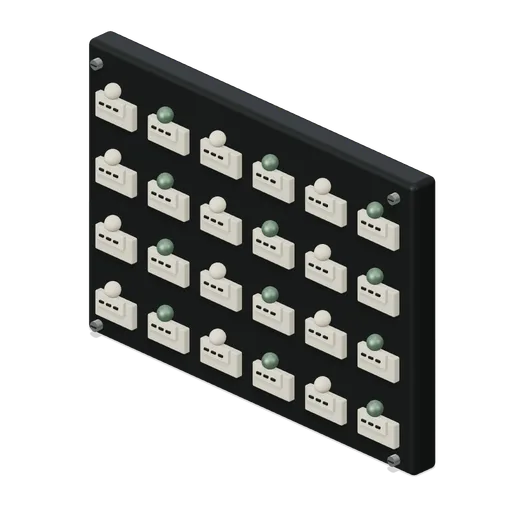
Call Indicator Panel (Abandoned Telephone Exchange)
Twenty-four-position call indicator board with separate lamp lenses, ivory drop-shutter faces, original miniature index strips and corner screws; unlit.
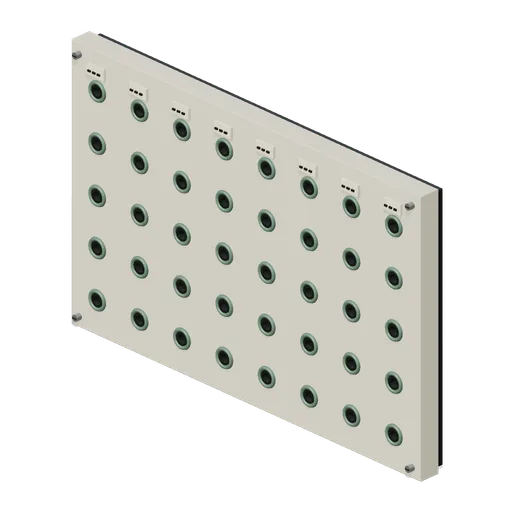
Subscriber Jack Panel (Abandoned Telephone Exchange)
Forty-hole subscriber jack panel with actual through-panel recessed openings, copper bezel rings, deep dark backing, numbered-looking index strips and mounting screws.
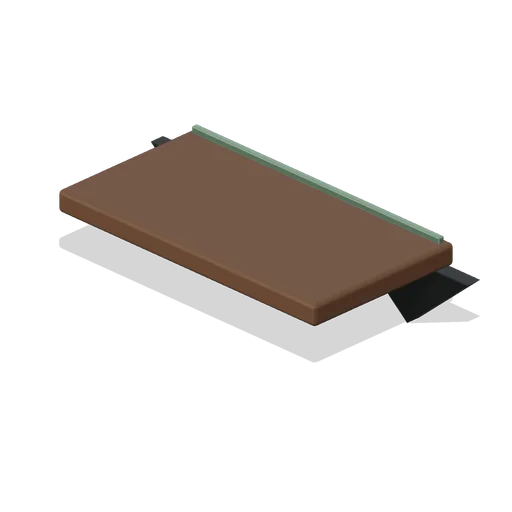
Operator Writing Shelf (Abandoned Telephone Exchange)
Separate oak writing shelf with genuine slab thickness, two triangular underside mounting brackets and a rear retaining strip; wall mount origin is its lowest bracket.
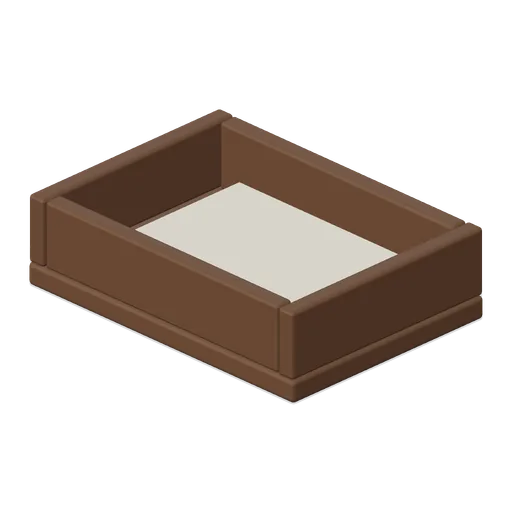
Message Slip Tray (Abandoned Telephone Exchange)
Hollow wooden message-slip tray with raised four-sided rim and six offset individual paper slips resting on its base.
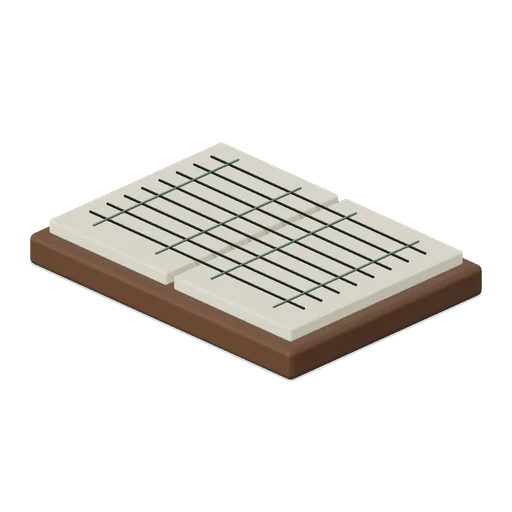
Call Log Register (Abandoned Telephone Exchange)
Open call log book with thick leather-like cover, two pale pages and physically modeled blank ledger rows and columns; no real customer data.
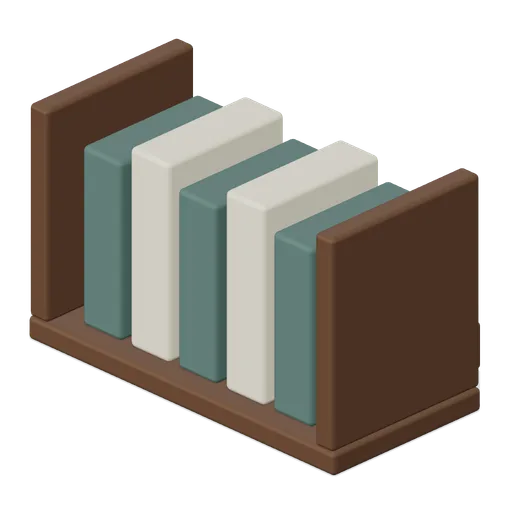
Directory Book Rack (Abandoned Telephone Exchange)
Open directory rack with thick end cheeks, rear brace and five distinct heavy bound volumes, supported on a wooden shelf.
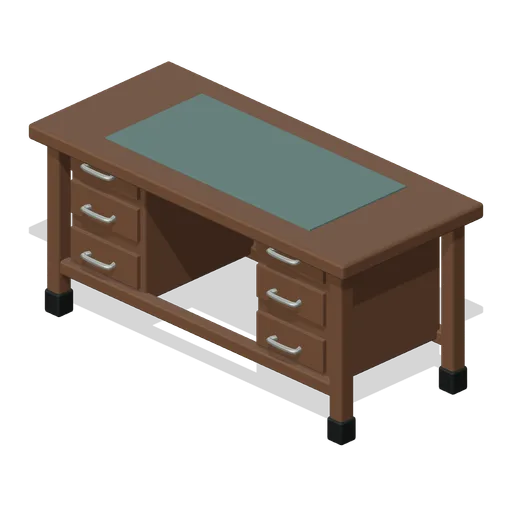
Supervisor Desk (Abandoned Telephone Exchange)
Oak supervisor desk with two three-drawer pedestals, six metal handles, thick desktop, leather-like blotter and a clear knee opening.
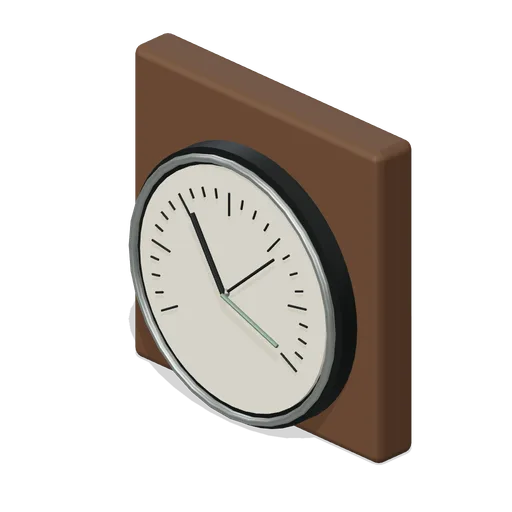
Wall Exchange Clock (Abandoned Telephone Exchange)
Square oak exchange clock with recessed round ivory face, raised bezel, modeled ticks and two separate hands, plus a flat wall-mount back; static.
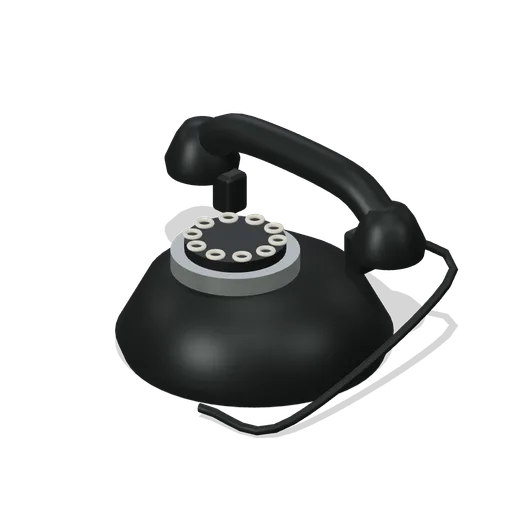
Rotary Desk Telephone (Abandoned Telephone Exchange)
Rounded black desk telephone with stepped base, ten-hole rotary dial, cradle forks, separate curved handset and a connected curled-looking cord; static.
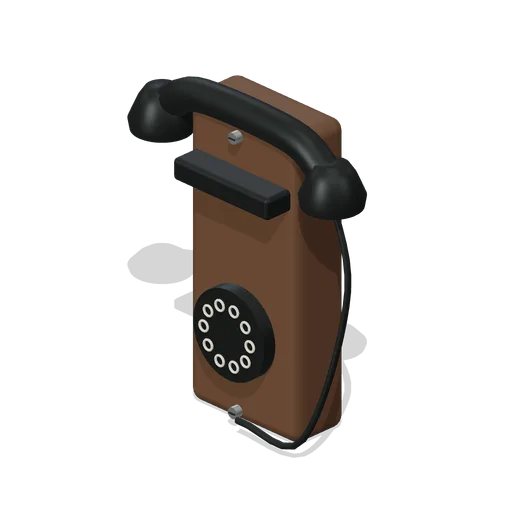
Wall Service Telephone (Abandoned Telephone Exchange)
Oak wall service telephone with compact calling dial, separate top cradle and handset, connected hanging cord and screw-mounted backing plate.
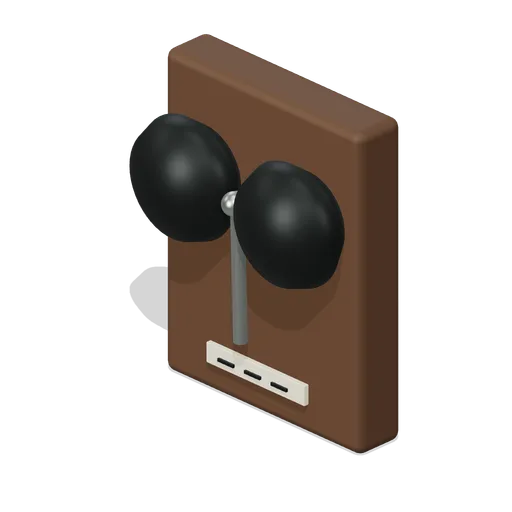
Telephone Bell Box (Abandoned Telephone Exchange)
External telephone bell box with two separate domed bells, central striker arm, oak backplate and blank index label; static bells.
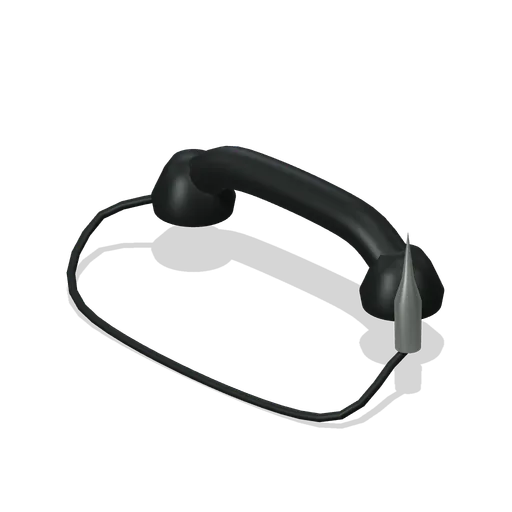
Line Test Handset (Abandoned Telephone Exchange)
Portable line-test receiver with center toggle, long looped test lead and machined plug; visually distinct from desk and wall telephone assemblies.
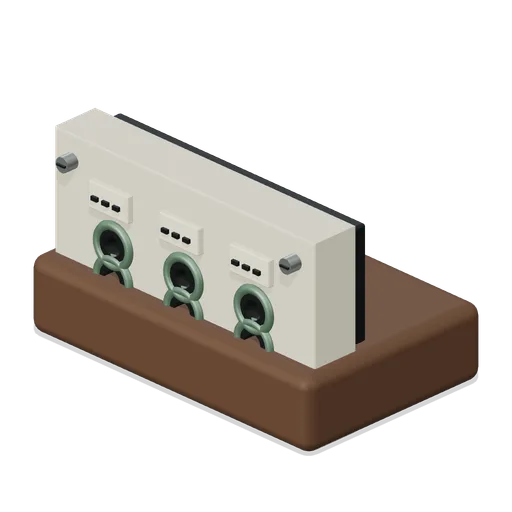
Plug Test Block (Abandoned Telephone Exchange)
Small six-socket plug test block with genuinely recessed holes, ivory face, copper rings and a thick wooden tabletop foot.
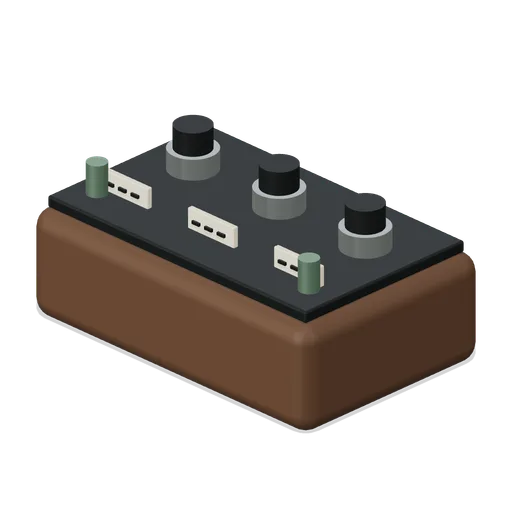
Resistance Test Box (Abandoned Telephone Exchange)
Three-dial resistance test box with thick oak case, black top panel, separately modeled rotary knobs, binding posts and original index strips; no calibrated electrical claim.
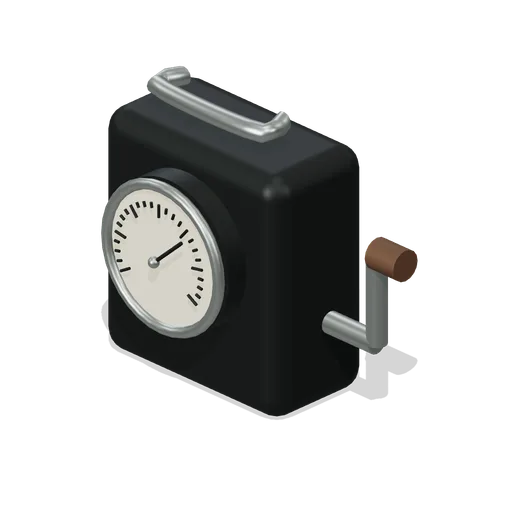
Insulation Test Meter (Abandoned Telephone Exchange)
Hand-cranked insulation meter with rounded case, recessed analog scale and pointer, carry handle and offset crank. Static illustrative device, not a working electrical meter.
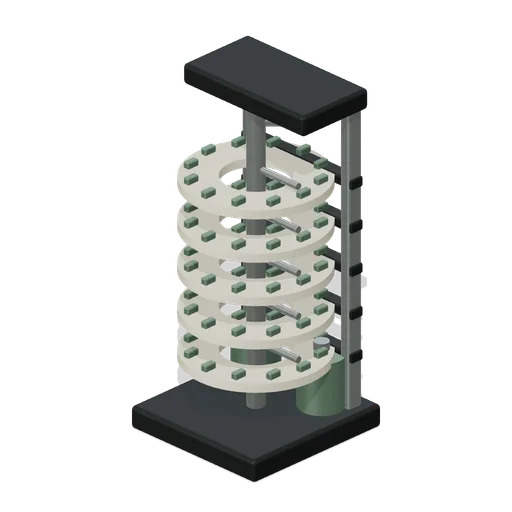
Selector Switch Assembly (Abandoned Telephone Exchange)
Supported rotary selector assembly with five annular contact banks, sixty individual copper contact pads, five wiper arms, central shaft, twin electromagnets and a braced frame; static.
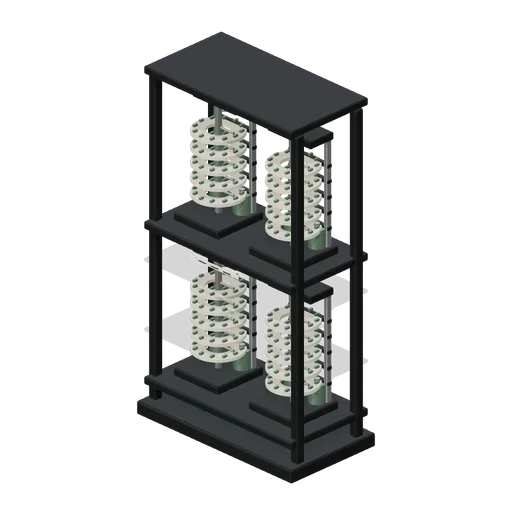
Selector Equipment Rack (Abandoned Telephone Exchange)
Two-tier steel selector rack holding four supported five-bank rotary selectors, with separate shelf plates, upright frames and a front index plate; static mechanisms.
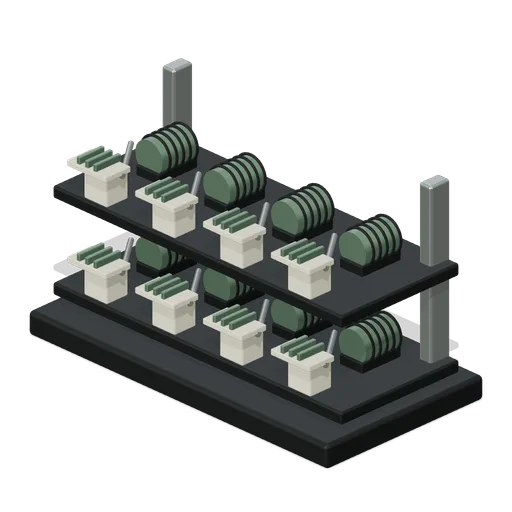
Relay Bank (Abandoned Telephone Exchange)
Eight-relay steel bank with copper coil bodies, separate winding bands, angled armatures and three-contact leaf stacks on two supported shelves; static.
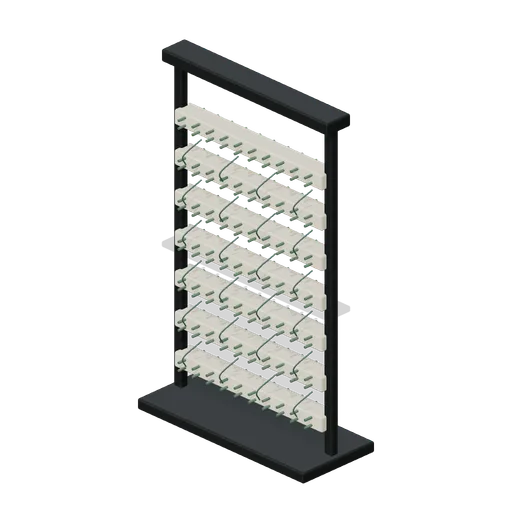
Main Distribution Frame (Abandoned Telephone Exchange)
Main distribution frame with seven insulated terminal rails, one hundred forty copper terminal posts, supported steel uprights and twenty-four connected jumper runs between adjacent rails; static.
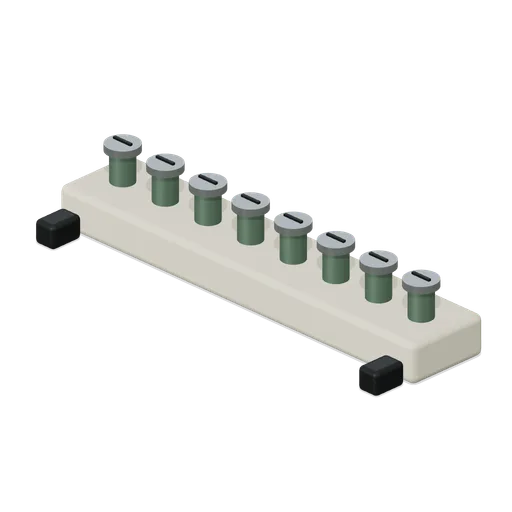
Terminal Strip (Abandoned Telephone Exchange)
Eight-position insulated terminal strip with independent copper binding posts, slotted screw heads, rounded carrier body and mounting tabs.
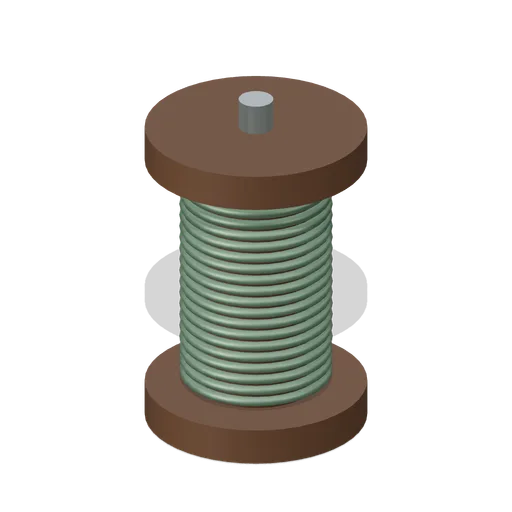
Jumper Wire Spool (Abandoned Telephone Exchange)
Wooden jumper-wire supply spool with separate end flanges, eighteen modeled copper wire loops and a central spindle cap.
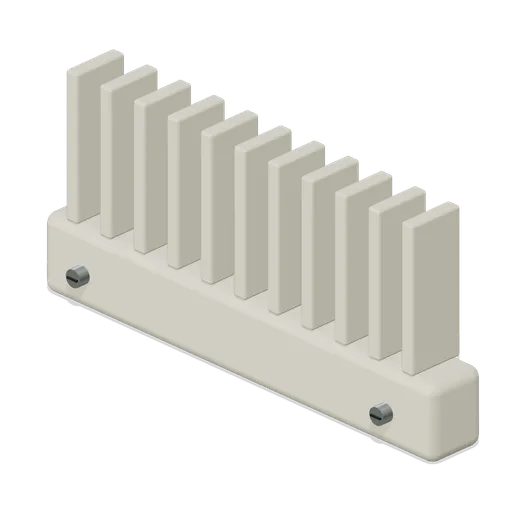
Cable Lacing Comb (Abandoned Telephone Exchange)
Eleven-tooth cable lacing comb with solid insulated spine, rounded tooth edges, open wire gaps and two mounting screw heads.
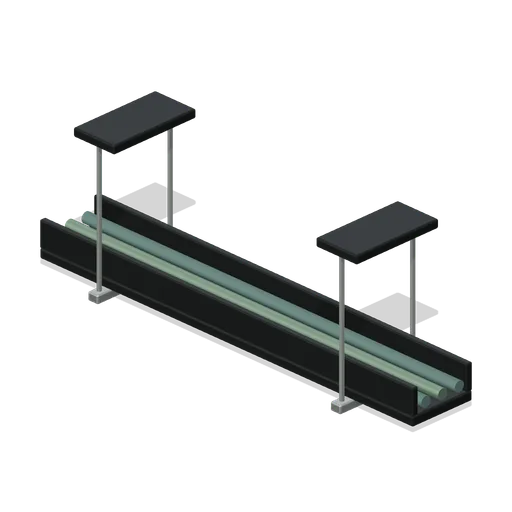
Overhead Cable Trough (Abandoned Telephone Exchange)
Two-metre overhead cable trough with real U-section, three continuous cable bundles, two hanging cradle bars and paired ceiling rods with attachment plates. End ports form a routed overhead run.
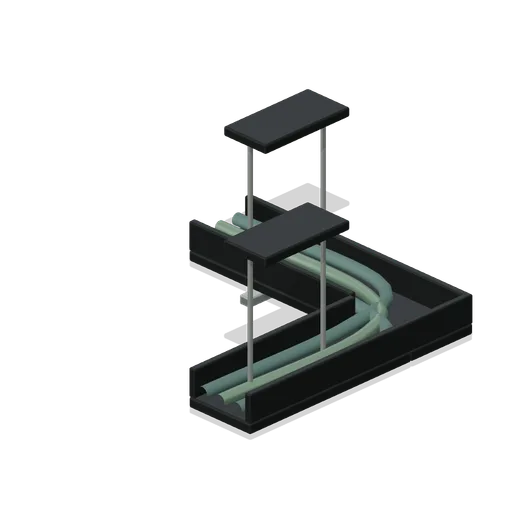
Cable Trough Corner (Abandoned Telephone Exchange)
Right-angle overhead cable corner with continuous thick trough floor, inner and outer retaining walls, three bent cable bundles and two ceiling suspension cradles. West and south ports terminate its routed bend.

Cable Drop Ladder (Abandoned Telephone Exchange)
Floor-supported cable drop ladder with ten rungs, three continuous curved cable runs from its top horizontal port and three terminated bottom glands. Completes an overhead route without loose floating wire ends.
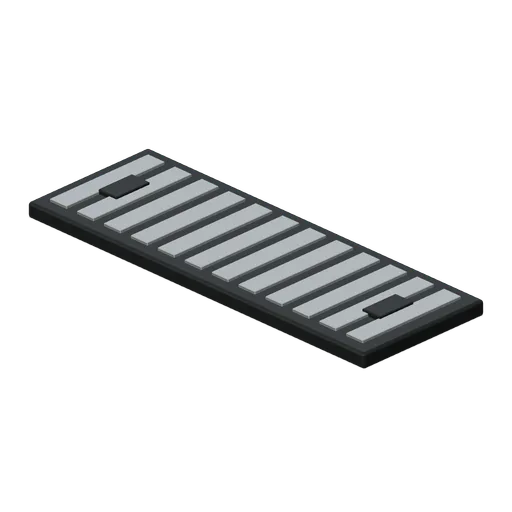
Floor Cable Trench Cover (Abandoned Telephone Exchange)
Heavy removable trench-cover plate with twelve transverse non-slip ribs, two recessed-looking lift slots and a fully closed underside.
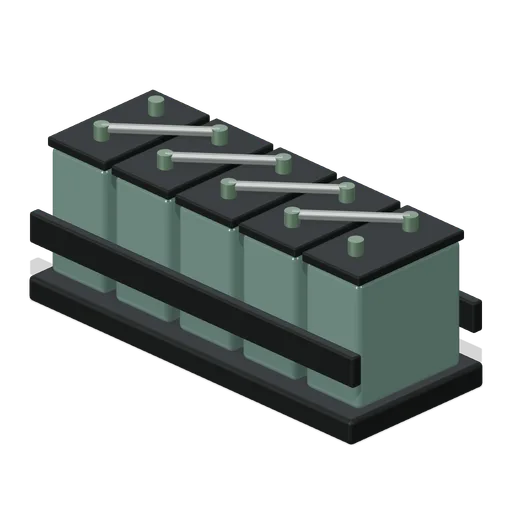
Battery Cell Bank (Abandoned Telephone Exchange)
Five separate glass-like battery jars in a steel tray with individual lids, paired terminals and four connected inter-cell straps; static sealed visual model.
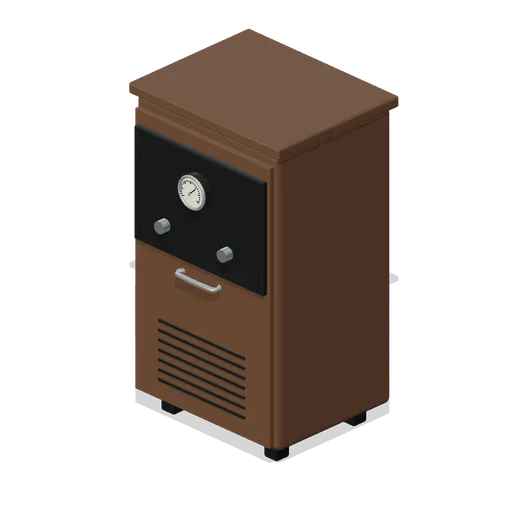
Charging Cabinet (Abandoned Telephone Exchange)
Vented oak charging cabinet with thick inset black control panel, analog meter, two rotary controls, individual door and a slotted lower grille; static.
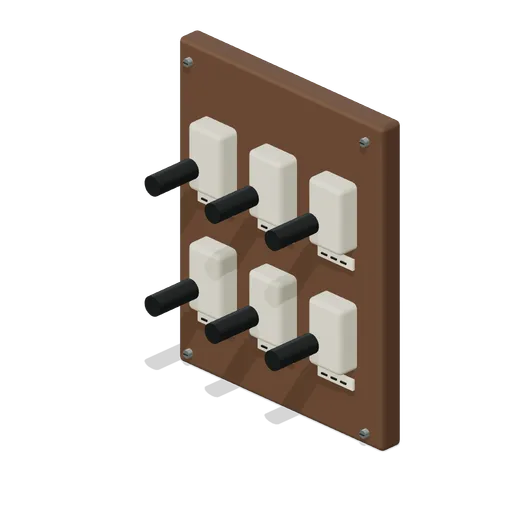
Fuse Distribution Board (Abandoned Telephone Exchange)
Six-position fuse board on a thick wooden backplate, with ceramic carriers, projecting cartridge covers, individual blank labels and mounting screws; static.
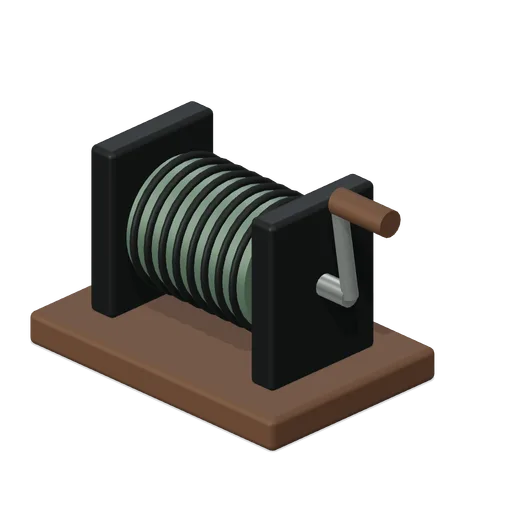
Ringing Generator (Abandoned Telephone Exchange)
Hand ringing generator with supported copper armature, eight winding bands, bearing cheeks, through shaft and an offset crank grip on a wooden foot; static.
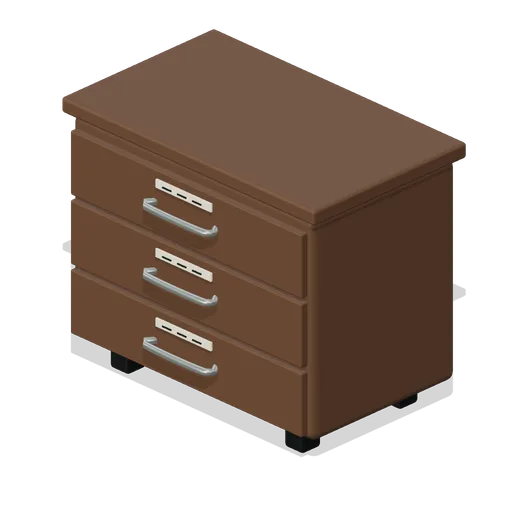
Maintenance Tool Chest (Abandoned Telephone Exchange)
Three-drawer oak maintenance chest with thick case, individual indexed drawer fronts, metal handles, broad top and four feet; closed tool storage.
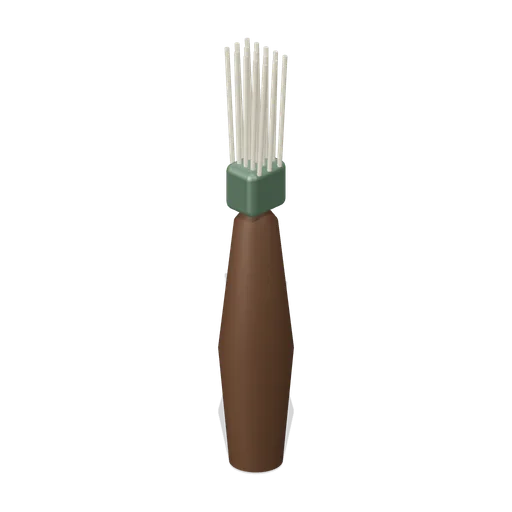
Contact Cleaning Brush (Abandoned Telephone Exchange)
Slim contact brush with contoured wooden handle, copper ferrule and fifteen separate fine splayed bristle tufts; static hand tool.
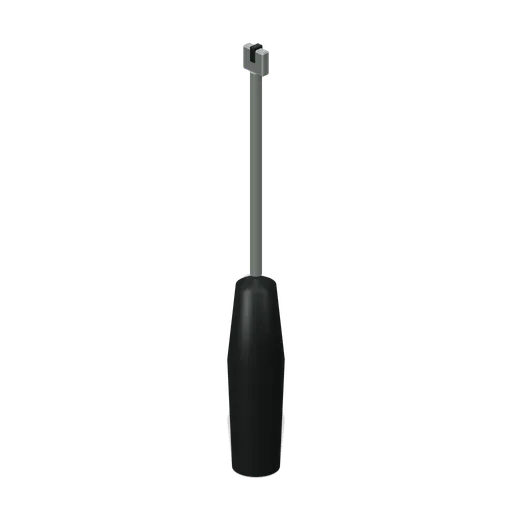
Relay Adjustment Tool (Abandoned Telephone Exchange)
Fine relay adjustment tool with a tapered insulated grip, narrow steel shank and thick slotted fork blade for illustrative contact work; static.
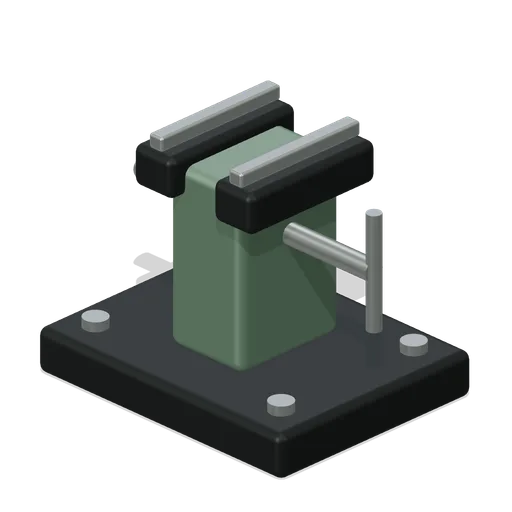
Cable Splicing Vise (Abandoned Telephone Exchange)
Bench-mounted cable vise with bolted foot, raised cast body, two separate steel jaws, horizontal screw and sliding cross-handle; static.
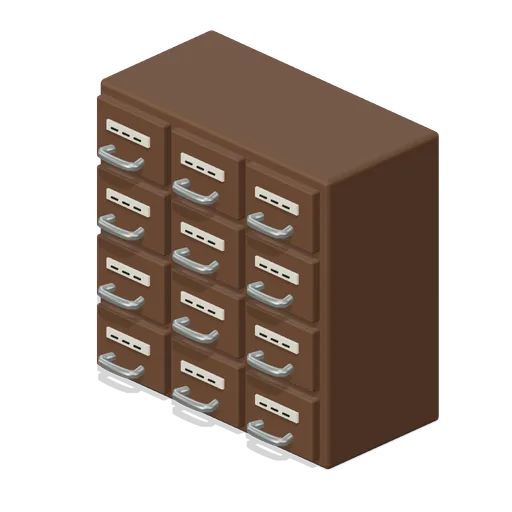
Component Sorting Drawers (Abandoned Telephone Exchange)
Twelve-drawer component sorter with independent shallow fronts, miniature metal pulls, ivory label strips and a thick wooden backing cabinet.
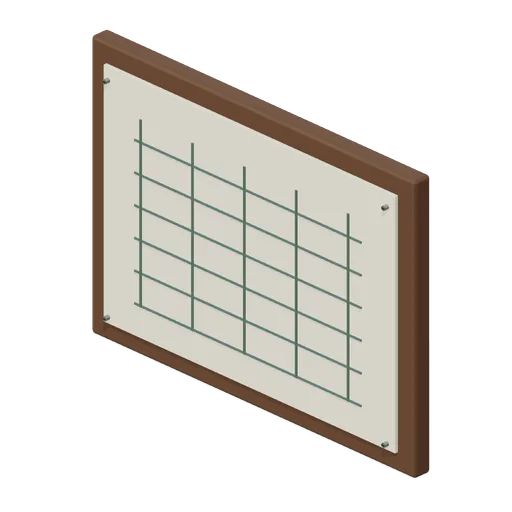
Exchange Plan Board (Abandoned Telephone Exchange)
Framed exchange plan board with thick wooden backing, inset pale sheet, original abstract line-route grid and four corner pins; no real wiring instructions.

Spare Handset Cabinet (Abandoned Telephone Exchange)
Open three-shelf spare receiver cabinet with six separately supported handsets, thick back and side walls, shelf edges and protective overhanging top.
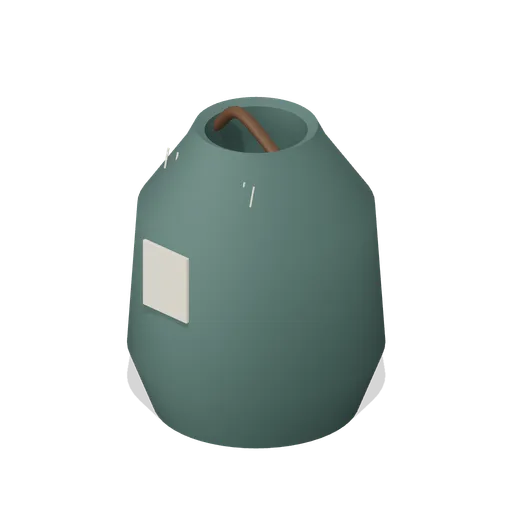
Abandoned Mail Sack (Abandoned Telephone Exchange)
Slumped hollow canvas mail sack with a gathered mouth, thick interior cloth surface, tied-looking cord, stitch details and a blank paper tag; no real correspondence.
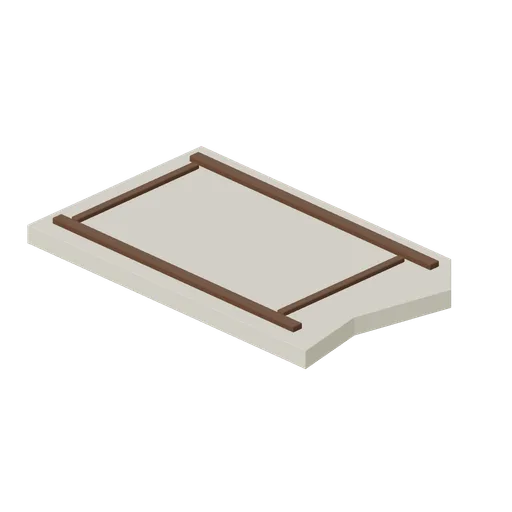
Fallen Ceiling Panel (Abandoned Telephone Exchange)
One fallen plaster ceiling panel with thick uneven clipped edge and attached rear battens, resting flat clear of walkways; no destroyed building shell.

Exchange Floor Base (Abandoned Telephone Exchange)
Thirteen-by-ten-metre exchange foundation with one hundred thirty individual worn ivory and stone floor tiles, full underside and narrow service-edge curbs.
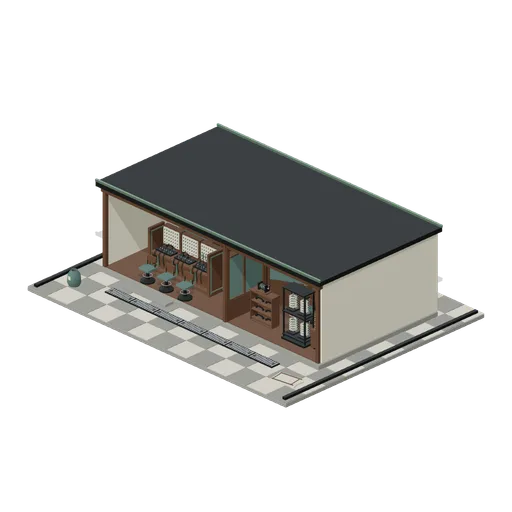
Silent Operator Exchange (Abandoned Telephone Exchange)
A full roof shelters three manual console bays and a dressed supervisor desk beside a connected selector room, stocked repair desk, battery storage and routed overhead cablework. Floor-supported drops terminate each end, and a fallen panel remains clear of the front access path.
Similar packs
 51 models
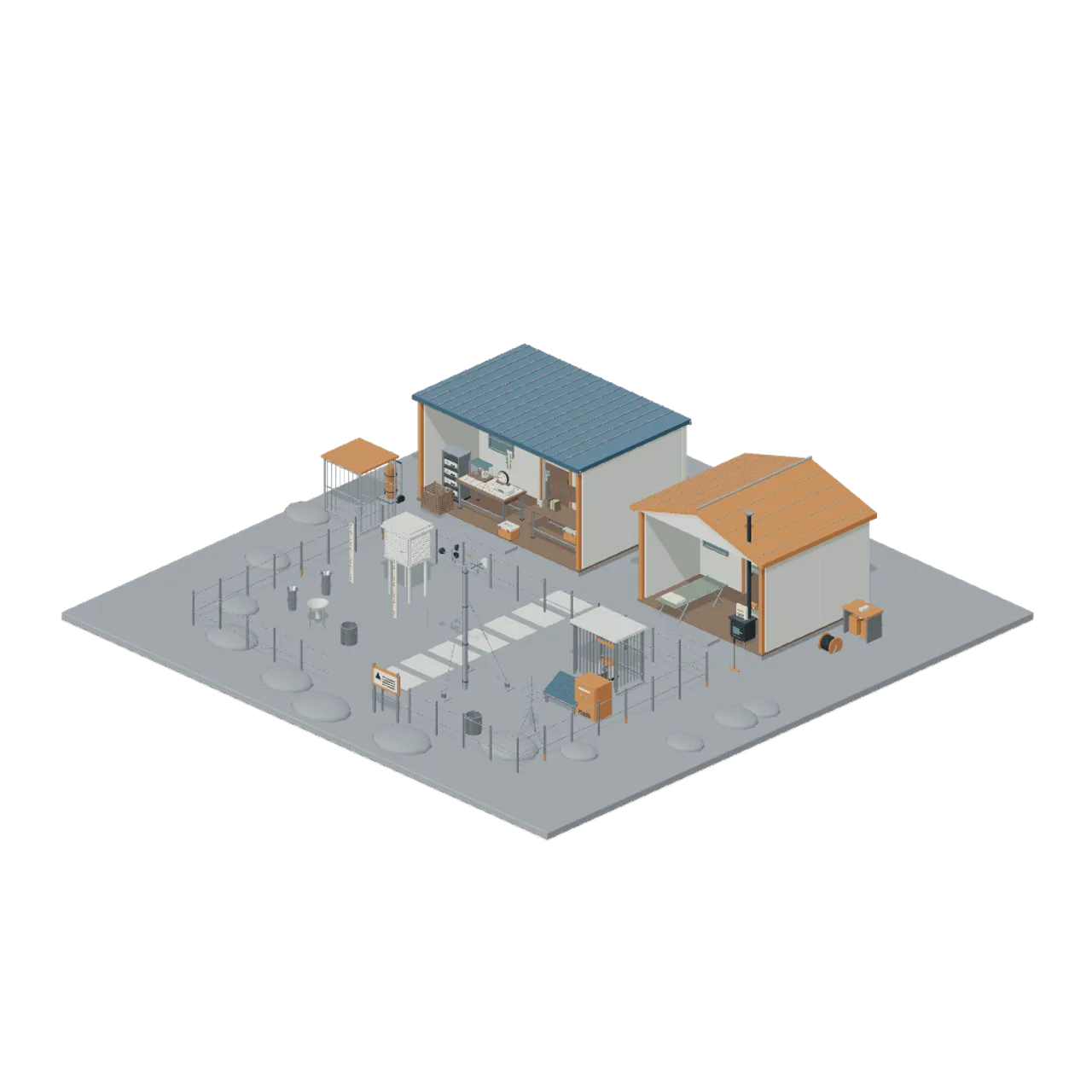
Abandoned Weather Station and Storm Shelter
Fifty premium civilian weather-observatory and emergency-refuge designs with analog instruments and detailed recording equipment.
AI used in 51 of 51 files · GPT-6
 51 models
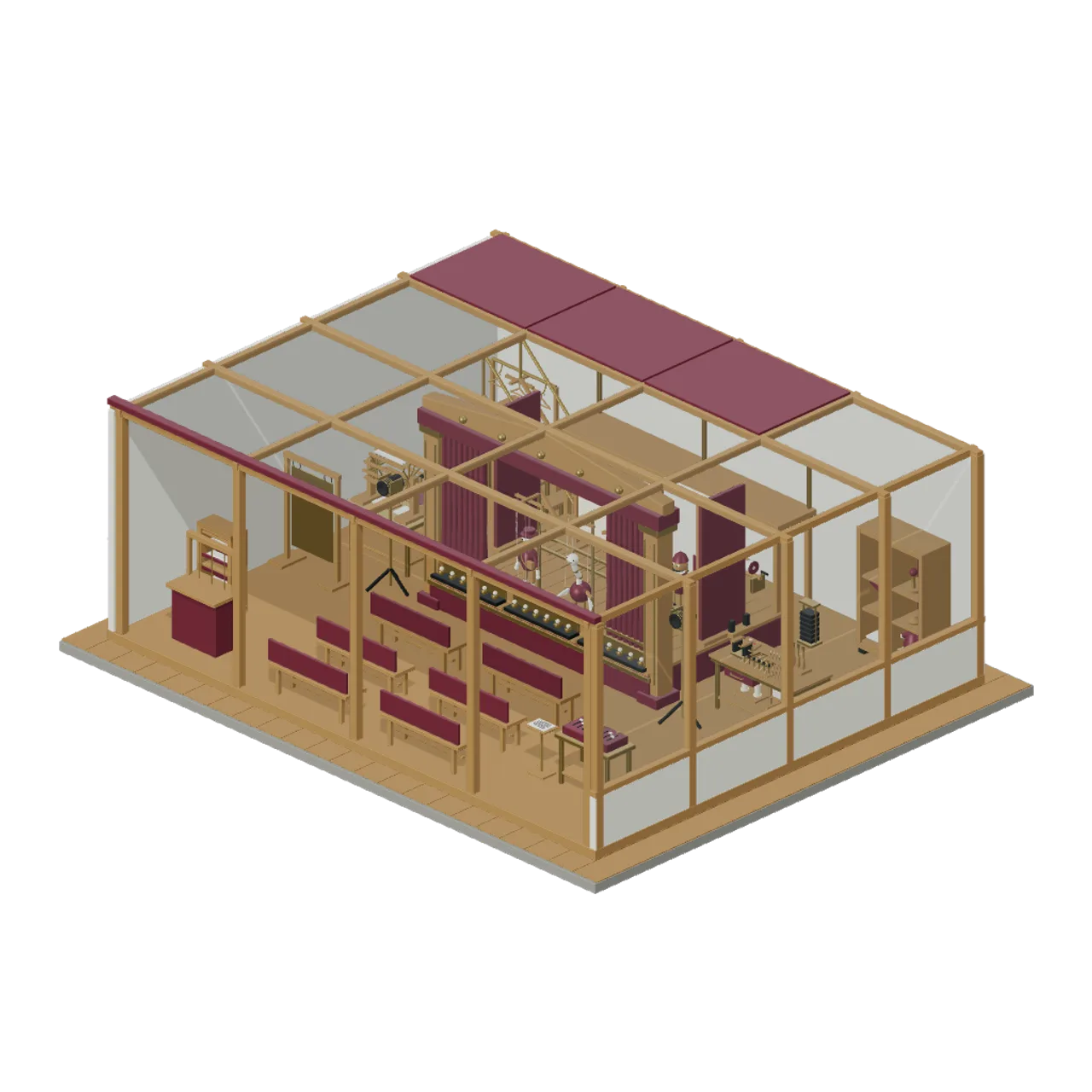
Abandoned Puppet Theatre and Prop Vault
Fifty premium original theatrical craft designs with five distinct puppet mechanisms and a roofed furnished theatre.
AI used in 51 of 51 files · GPT-6
 32 models
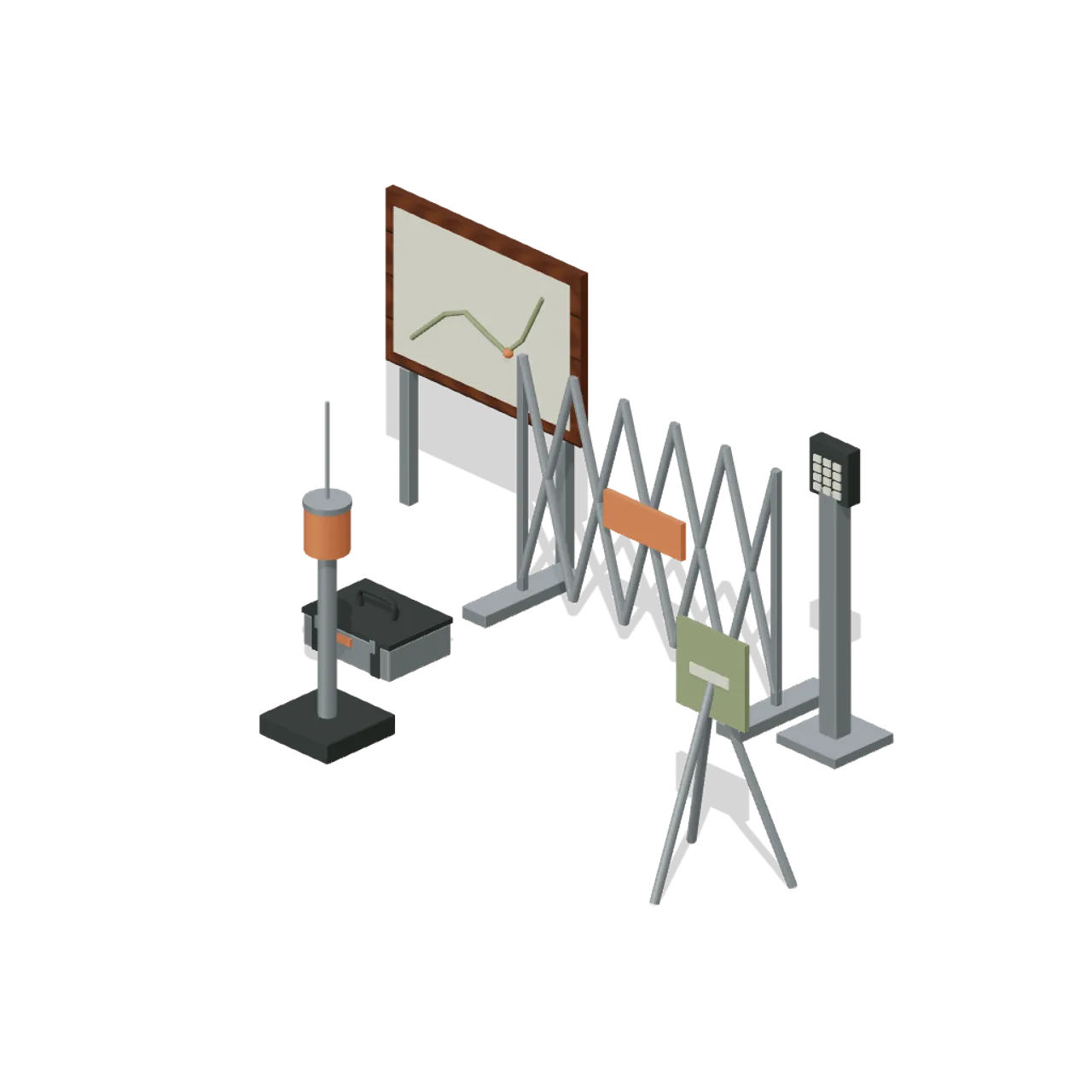
Extraction Routes and Objectives
Evacuation signals, objective cases, access controls, secured caches and cargo equipment for extraction routes.
AI used in 32 of 32 files · Claude Fable 5.1
 51 models
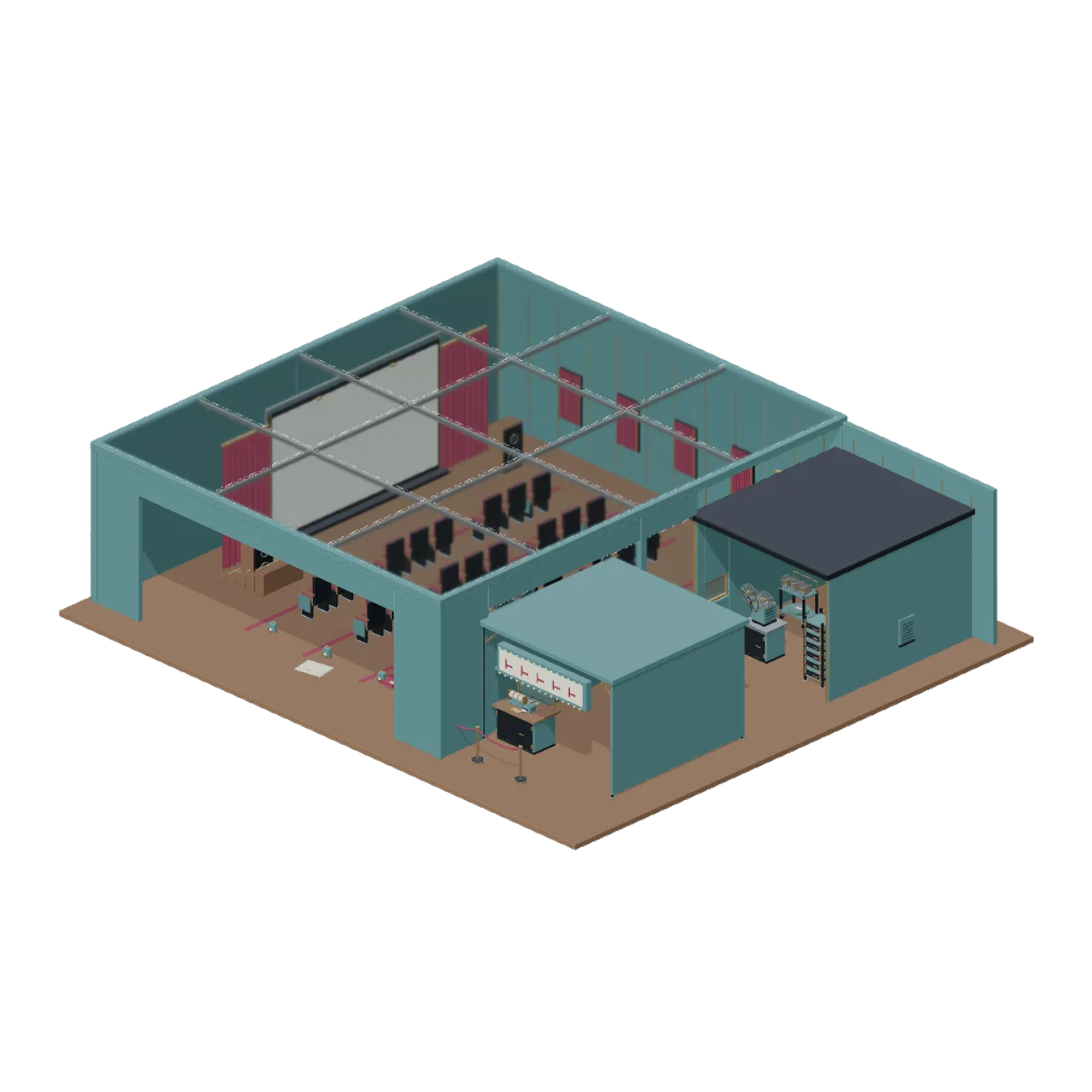
Abandoned Cinema and Projection Booth
Fifty detailed cinema operations and projection designs with a neglected auditorium.
AI used in 51 of 51 files · GPT-6
 51 models
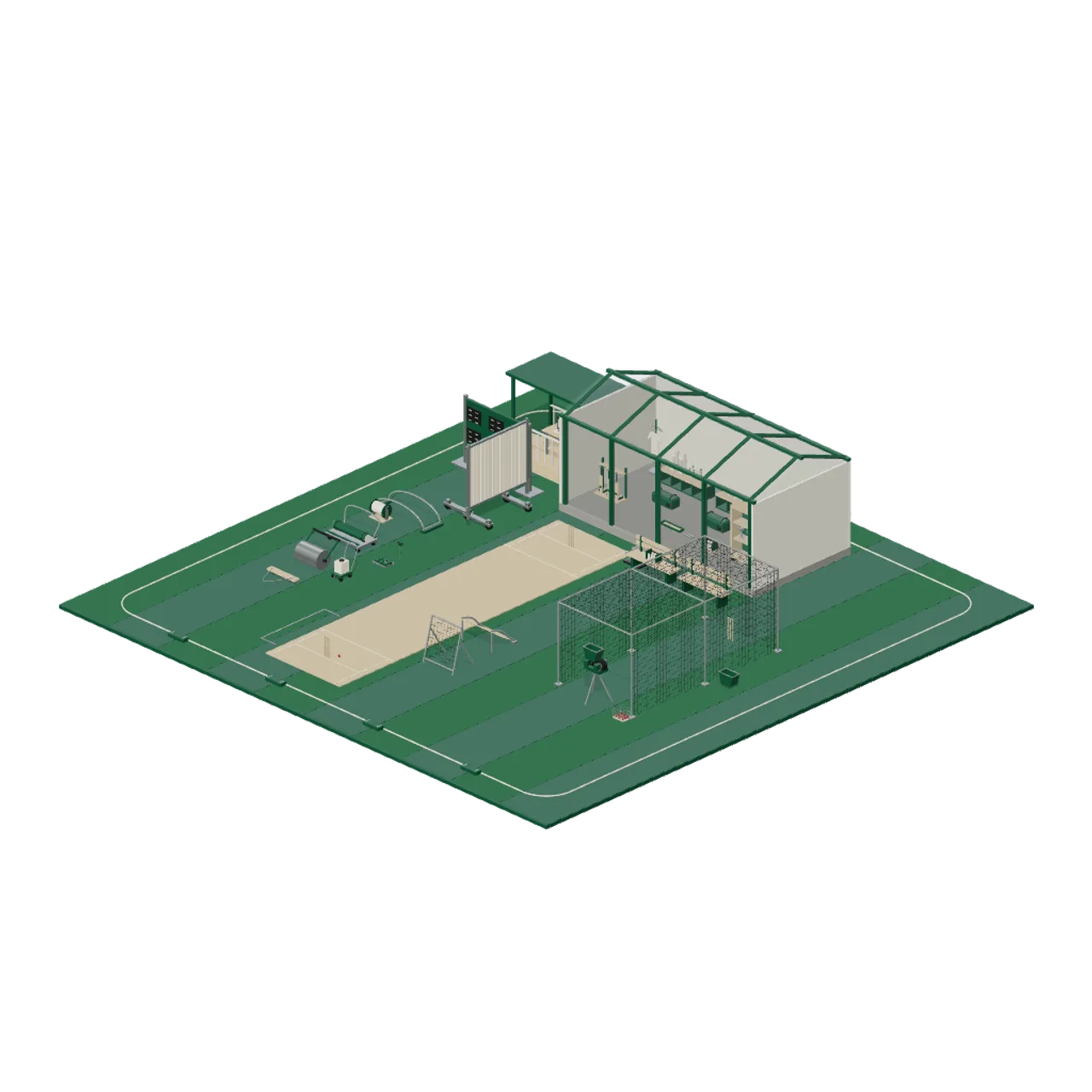
Cricket Ground and Pavilion
Fifty premium unbranded cricket designs with a furnished club pavilion, two-ended training strip, complete practice nets and groundskeeping equipment.
AI used in 51 of 51 files · GPT-6
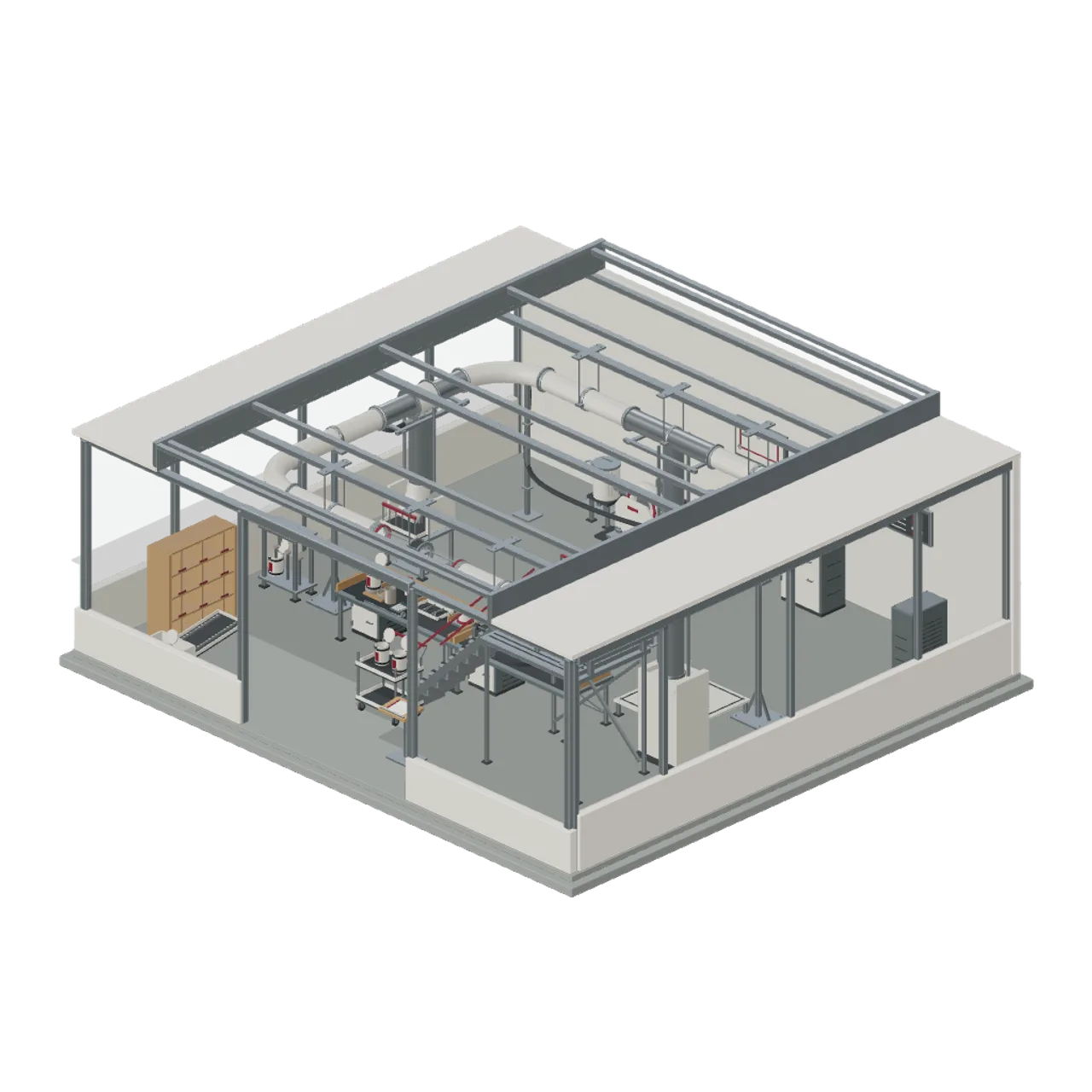 51 models
Pneumatic Tube Mail Exchange
Original pneumatic document carrier routes, mail terminals and fitted service machinery.
AI used in 51 of 51 files · GPT-6
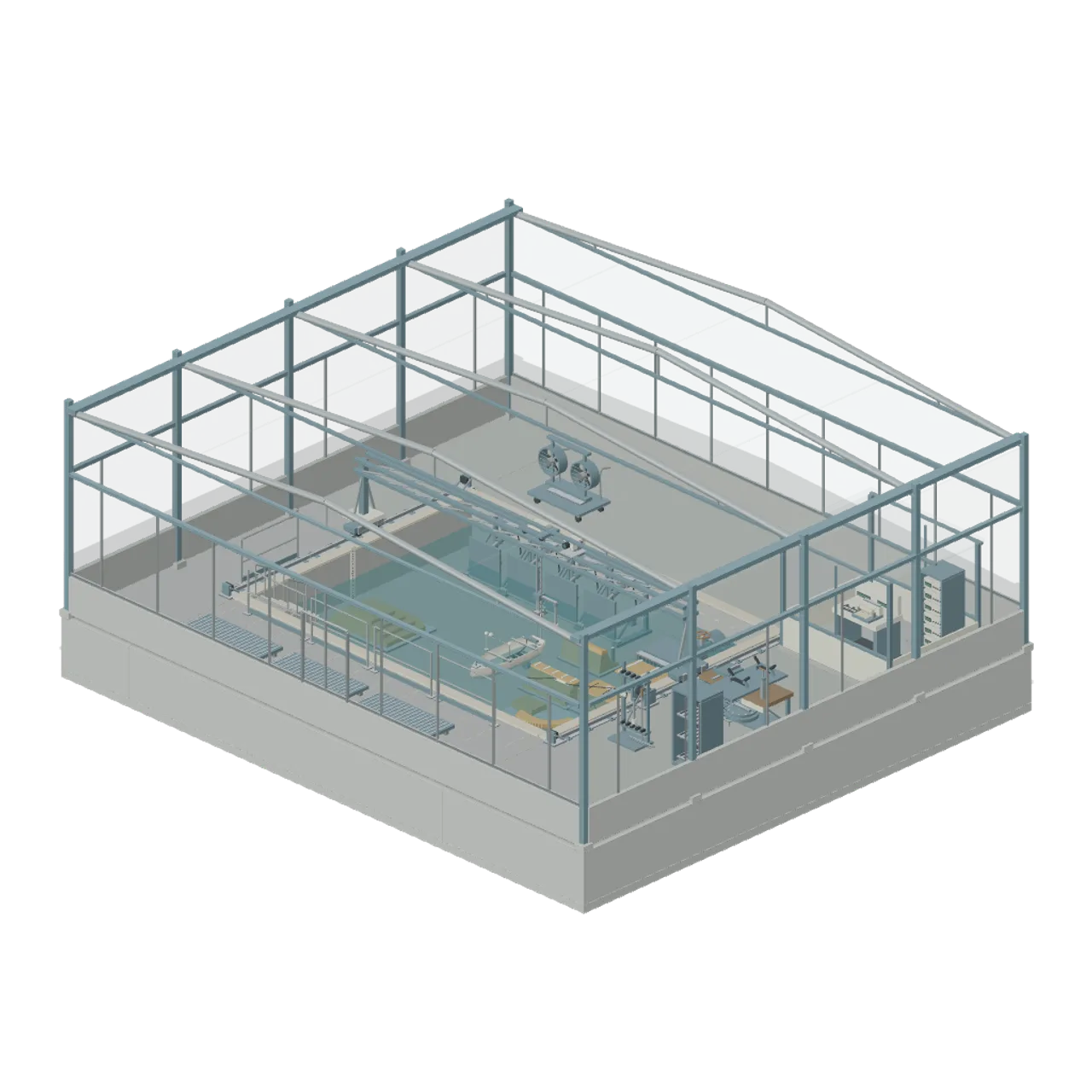 51 models
Abandoned Tidal Model Testing Hall
Fifty original hydraulic laboratory models, instruments and supported machinery in a roofed testing hall.
AI used in 51 of 51 files · GPT-6
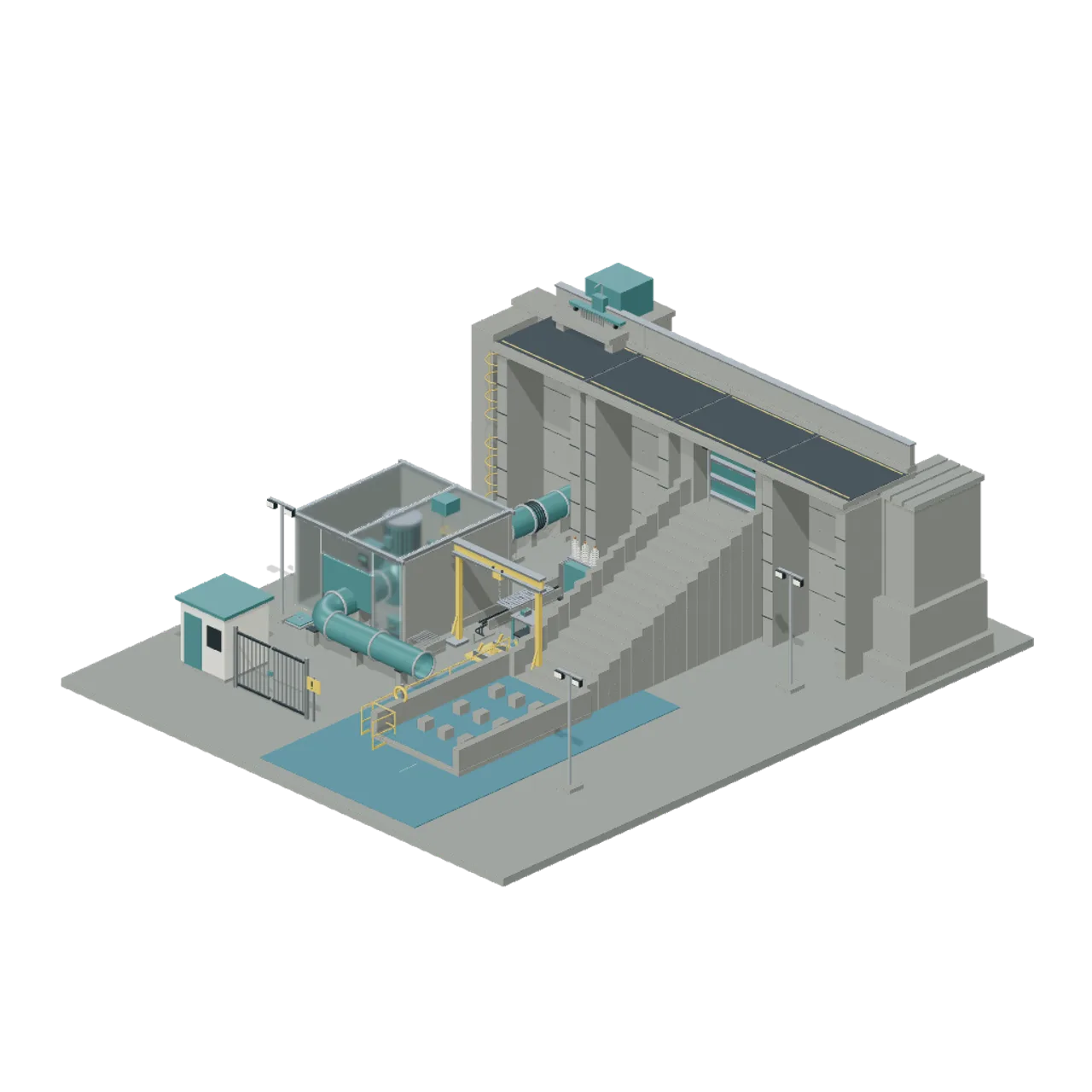 51 models
Hydroelectric Dam Infiltration
Fifty premium dam, generation, pressure-pipe and maintenance designs for industrial infiltration scenes.
AI used in 51 of 51 files · GPT-6
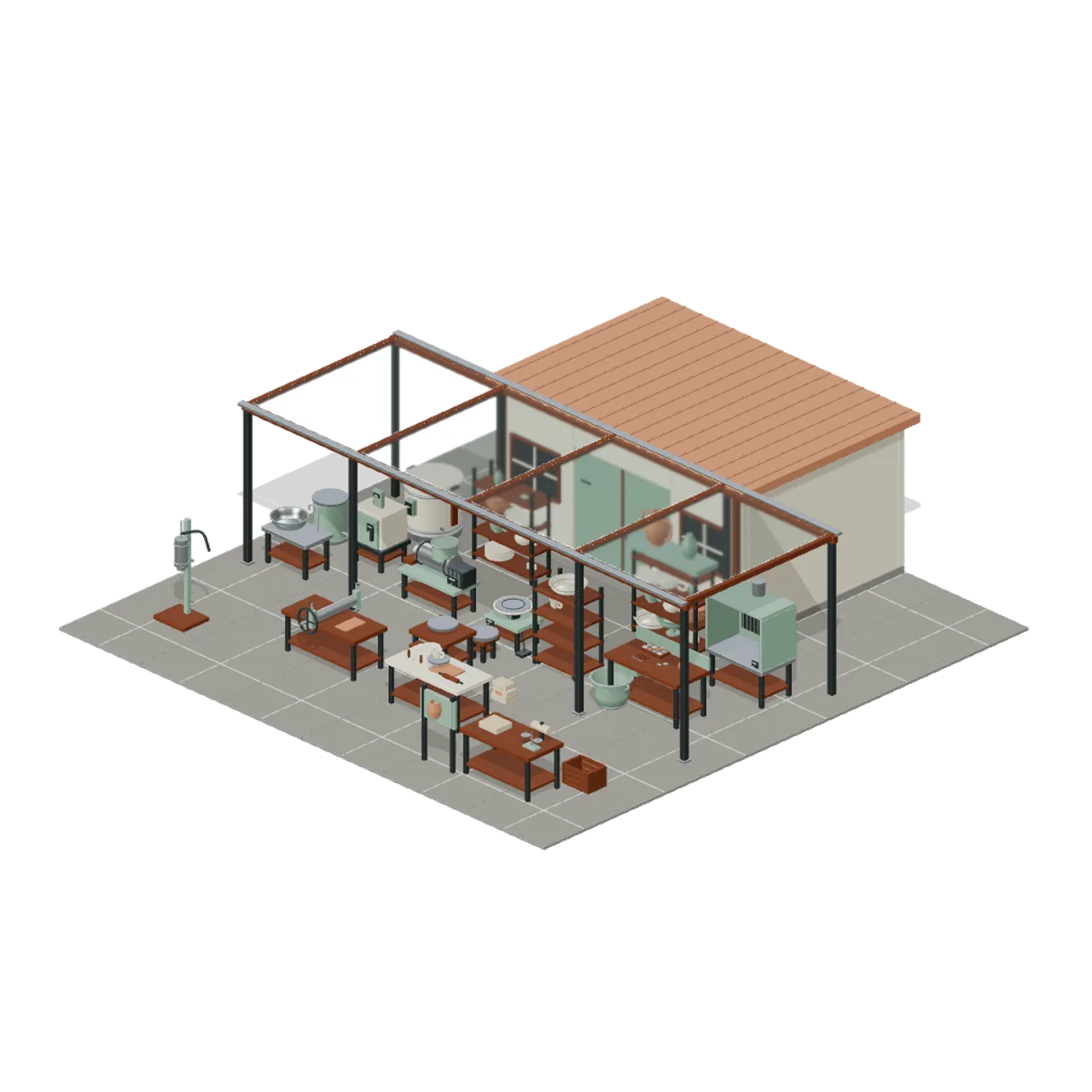 51 models
Ceramics Pottery Studio
Fifty premium pottery production, kiln, glazing and ceramic retail designs.
AI used in 51 of 51 files · GPT-6
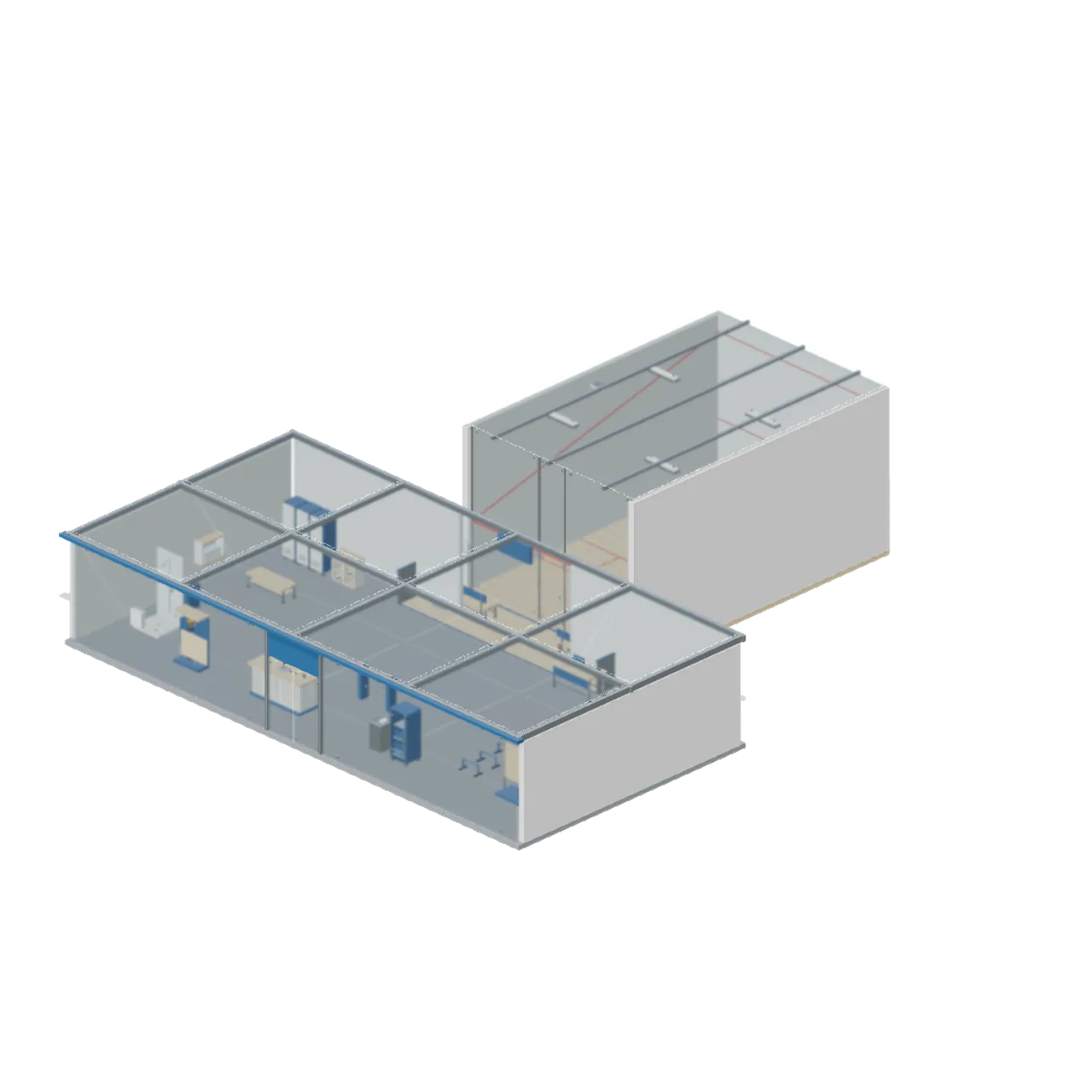 51 models
Squash Club and Racket Workshop
Fifty premium court, racket servicing, spectator and club interior designs.
AI used in 51 of 51 files · GPT-6