Free models · Game-ready GLB
Modern
Every realistic modern model below is a self-contained .glb under 25 MB that drops into three.js, Blender, Godot, Unity and Unreal, free to use and modify in commercial projects without attribution.
Load one straight from its CDN URL with a plain GLTFLoader, or take a whole themed set from the packs.
10,121 free GLB models
 Animated
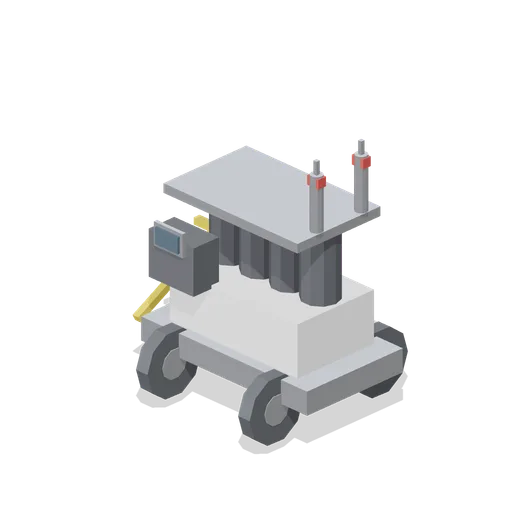
Nitrogen Purge Cart (Rocket Launch Pad and Gantry)
A four wheel gaseous nitrogen purge cart, 2.6 m long: four bottles in a cabinet frame, a regulator panel with a blank gauge face, two outlet risers on the top deck and a tow handle. All four wheels roll.
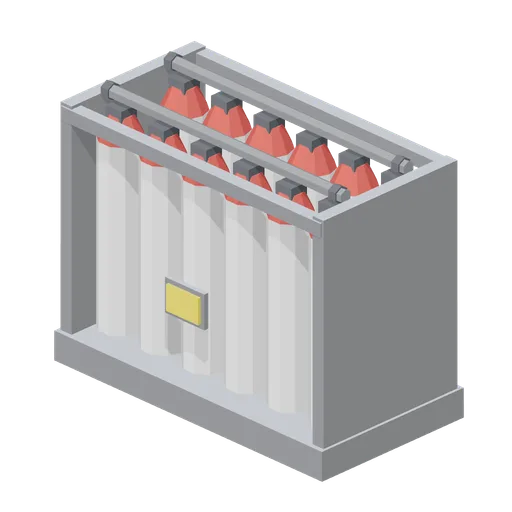
Helium Bottle Rack (Rocket Launch Pad and Gantry)
A twelve bottle high pressure gas rack in a lifting frame, 3.4 m wide: two rows of bottles with valve heads, a collector manifold across the top of each row and a blank hazard plate on the front.
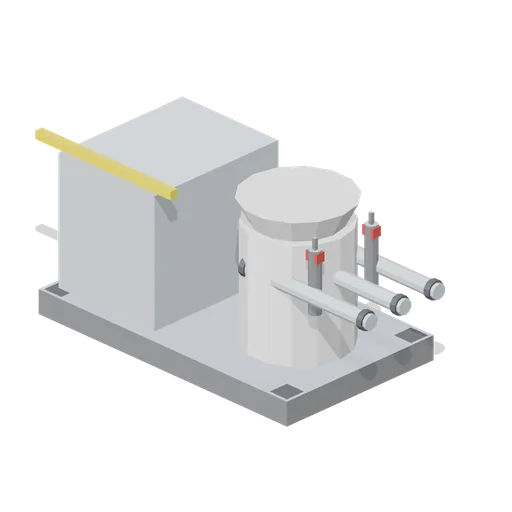
Chilldown Skid (Rocket Launch Pad and Gantry)
A 4.4 m cryogenic chilldown skid on a lifting frame: a heat exchanger cabinet, a vacuum jacketed vessel, three transfer lines with isolation risers, a control box with a blank display and a lifting bar.
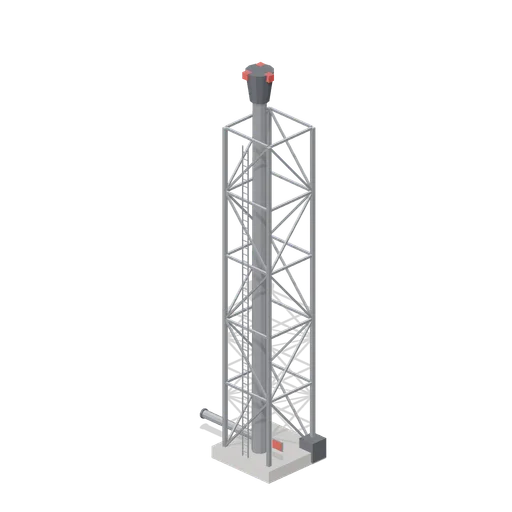
Flare Stack (Rocket Launch Pad and Gantry)
An 18.5 m flare stack for burning off vented propellant: a lattice mast carrying the flare riser and its tip, ignition boxes at the head, a knockout drum and feed line at the foot, a ladder and a blank hazard plate. No flame is modelled.
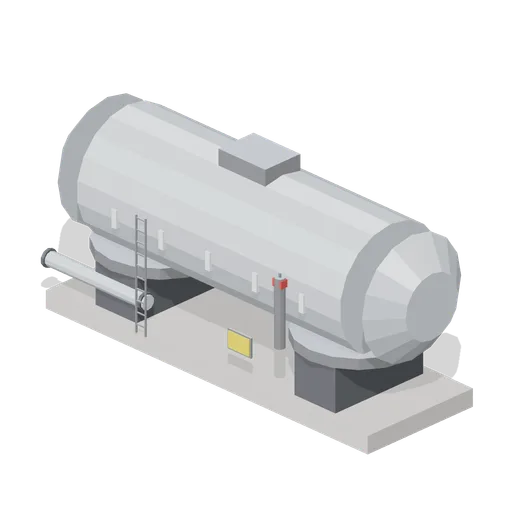
Propellant Cylinder Tank (Rocket Launch Pad and Gantry)
An 11 m insulated horizontal propellant tank on two concrete saddles: a 3.5 m barrel with dished ends and external stiffening rings, a valve manifold on top, a fill line and standpipe, an access ladder and a blank data plate.
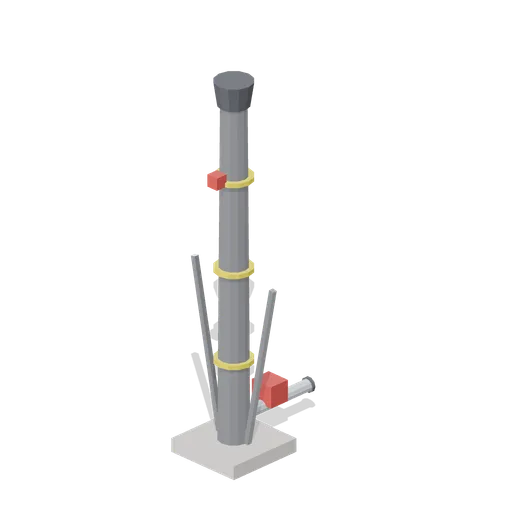
Vent Stack (Rocket Launch Pad and Gantry)
A 12.3 m boil off vent stack: a braced steel column on a concrete base with hazard bands, a flared head, an insulated feed at ground level and a control valve box. The vapour plume is not modelled.
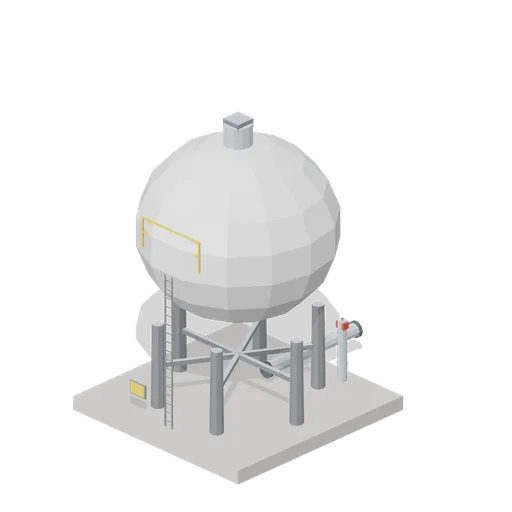
Propellant Sphere Tank (Rocket Launch Pad and Gantry)
A 6.8 m spherical propellant tank on six legs and a concrete ring foundation: a vent head on top, an insulated fill and drain line at ground level, a valve standpipe, a ladder to a small catwalk and a blank data plate.
 Animated
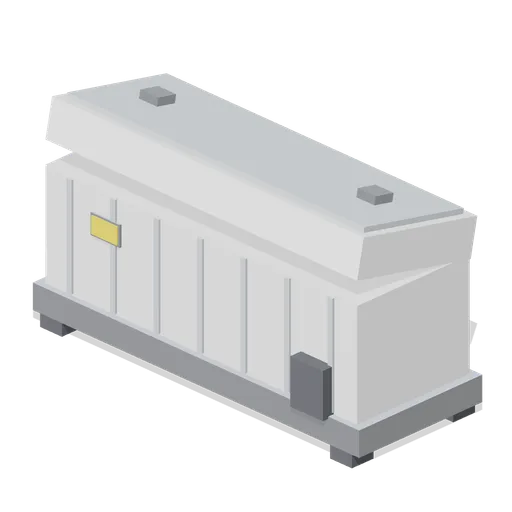
Payload Transport Container (Rocket Launch Pad and Gantry)
A 9 m air conditioned payload container: a white ribbed box on a steel bed with a conditioning plant box, a blank data plate and a hinged top cover that lifts on its own node.
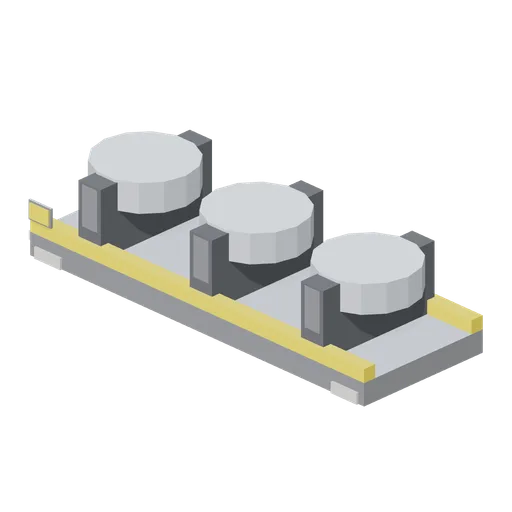
Stage Transport Cradle (Rocket Launch Pad and Gantry)
A 9 m cradle for laying a stage or a fairing down on its side: a steel bed with three padded saddles, retaining posts, kerb rails, load spreading feet and a blank data plate.
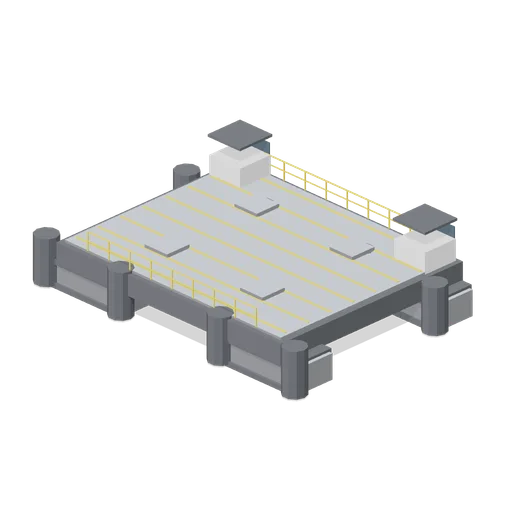
Crawler Transporter Deck (Rocket Launch Pad and Gantry)
A 16 by 13 m crawler transporter: a levelling deck on four track units with jacking cylinders, four hold down points, railed edges, hazard striping and two blank operator cabs. Carries a launch mount or a whole vehicle stack.
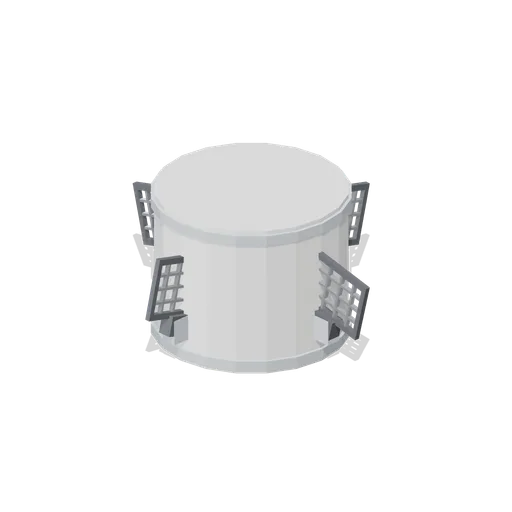 Animated
Grid Fin Set (Rocket Launch Pad and Gantry)
A 3 m forward hull section carrying four lattice grid fins stowed flat against it, each a framed grid of vanes on its own hinge fitting. The four fins deploy out to the airstream and fold back, one node each.
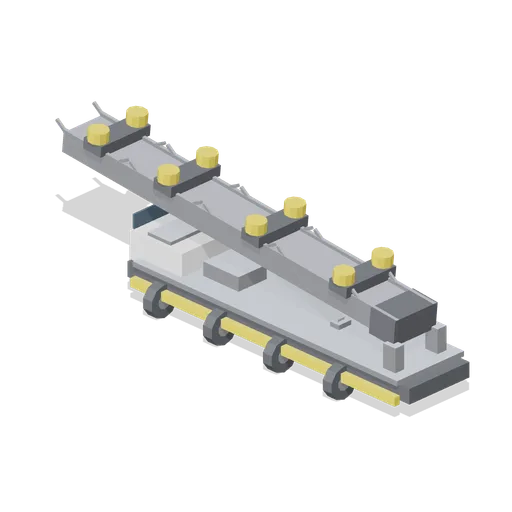 Animated
Transporter Erector (Rocket Launch Pad and Gantry)
A 19 m transporter erector: an eight wheel chassis with a blank cab and a hydraulic pack, carrying a trussed erector beam on a rear hinge with four vehicle cradles and their rollers. The beam raises on its own node and the wheels roll.
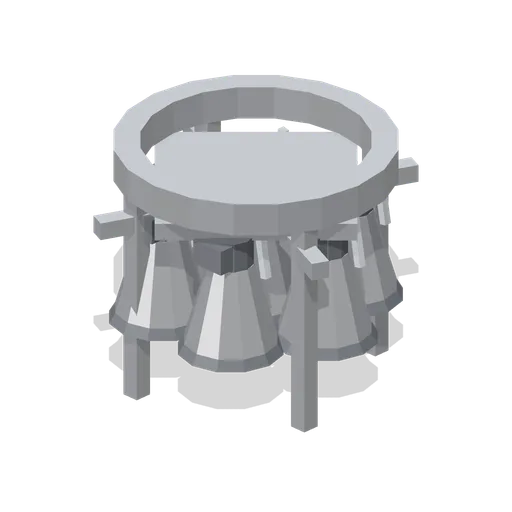
Engine Cluster (Rocket Launch Pad and Gantry)
A seven engine cluster on its thrust structure: a ring beam on four posts with a cross brace, one centre bell and six round it on gimbal blocks, each with a turbopump box and propellant feed stubs. 3.7 m across, 3.4 m tall.
 Animated
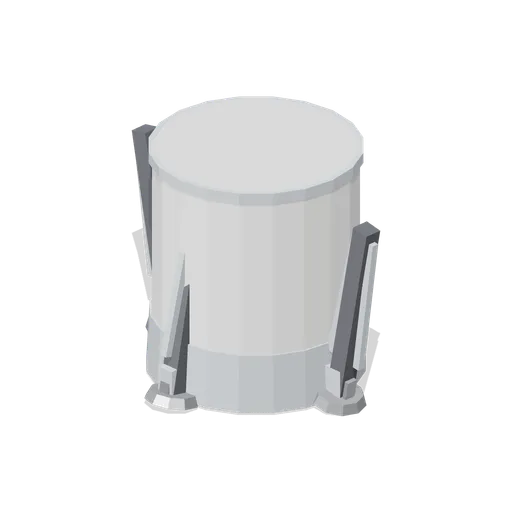
Landing Leg Set (Rocket Launch Pad and Gantry)
A 4.3 m aft hull section with four landing legs stowed against it: each leg is a main strut with two side stays and a round foot pad, hinged at its own base fitting, and each deploys down and out on its own node.
 Animated
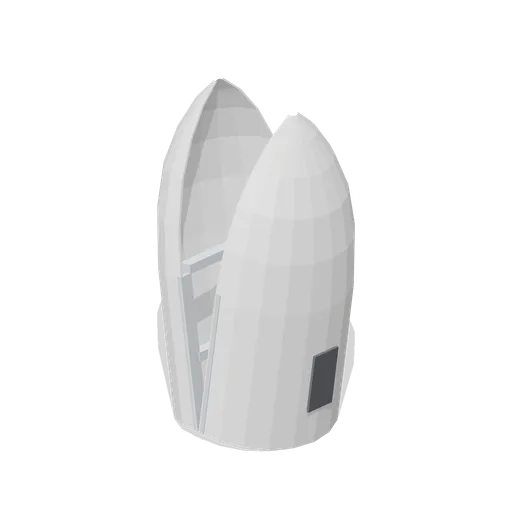
Payload Fairing Halves (Rocket Launch Pad and Gantry)
A two piece payload fairing, 7.4 m tall and 3.5 m across: an ogive shell with a modelled wall thickness, a longeron each side of the split line, internal stiffening hoops and a blank access panel. Each half hinges open outwards on its own node at the base of the split line.
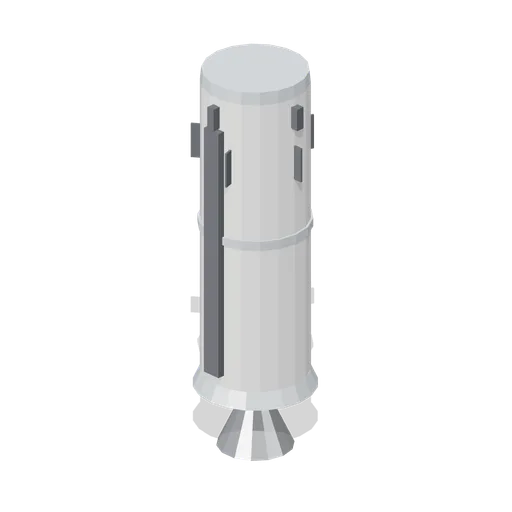
Second Stage (Rocket Launch Pad and Gantry)
A 12.3 m second stage: a 3.3 m tank on a conical adapter down to the core diameter, one vacuum engine bell on its thrust block, a raceway, four attitude thruster pods and a payload interface ring on top.

Interstage (Rocket Launch Pad and Gantry)
A 3.6 m interstage barrel joining the two stages: the same 3.8 m hull, a reinforcing ring at each end, eight separation vent ports, a raceway continuation and an invented marking band.
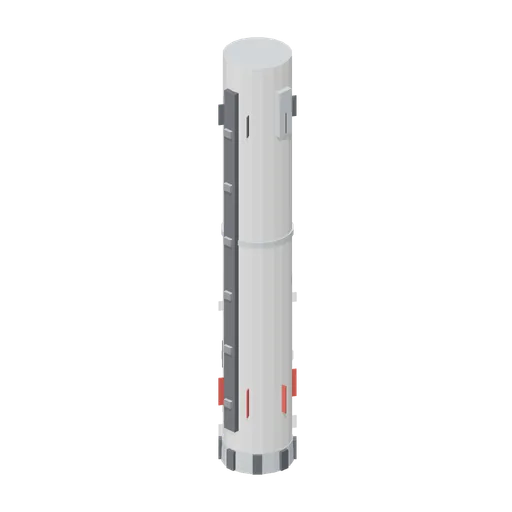
First Stage Core (Rocket Launch Pad and Gantry)
A 24 m first stage core, 3.8 m across: a white tank barrel with a dividing ring, an aft skirt on eight thrust posts, a cable raceway with junction boxes up one flank, an umbilical plate and invented block markings. Ported base and top.
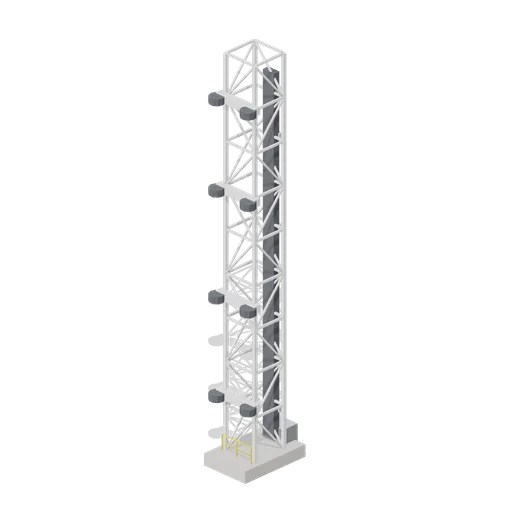
Strongback (Rocket Launch Pad and Gantry)
A 27 m strongback: a white lattice mast on a ballast foot with four vehicle cradles and their clamp pads on the front face, an umbilical raceway with insulated line boxes up the back and a base junction box.
 Animated
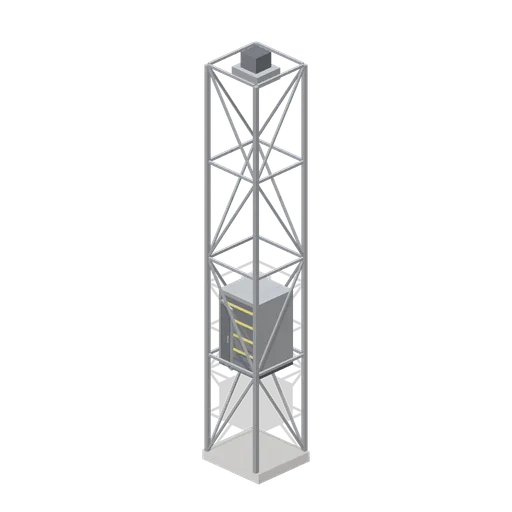
Service Lift Cage (Rocket Launch Pad and Gantry)
A 12 m service lift: a lattice hoistway on a concrete pad with a caged car parked at the bottom landing, a gate that opens and the winch housing at the head. The car is modelled at rest and does not travel.
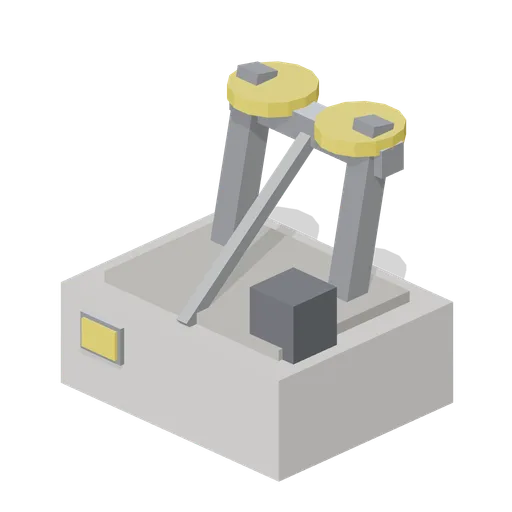
Catenary Wire Anchor (Rocket Launch Pad and Gantry)
A ground anchor for the lightning catenary: a ballast block with a steel frame, two sheaves, a tensioner strut and an earthing box, with a blank warning plate on the face. The wire it holds is deliberately not modelled.
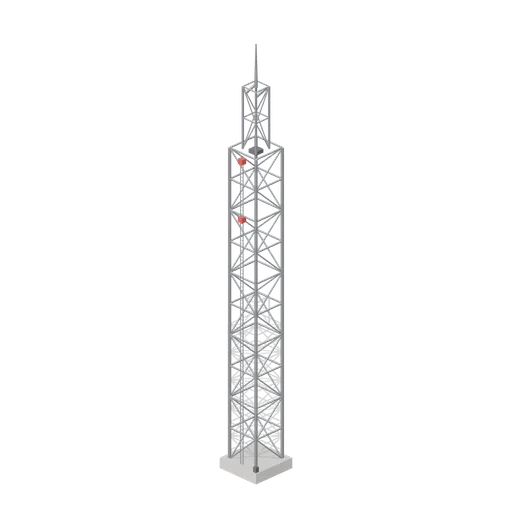
Lightning Mast (Rocket Launch Pad and Gantry)
A 41 m lightning protection mast: a lattice tower on a concrete block, a narrower head section carrying the air terminal spike and the catenary arms, obstruction markers, a ladder the full height and an earth downlead box at the foot.
 Animated
Fuelling Arm (Rocket Launch Pad and Gantry)
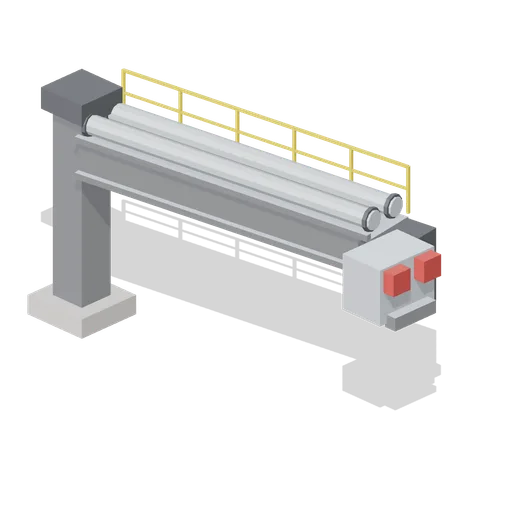
A cryogenic fuelling arm on a pivot column: a box girder carrying two insulated transfer lines out to a quick disconnect head, with a counterweight box and a handrail. The head retracts along the arm and the arm then swings away.
 Animated
Crew Access Arm (Rocket Launch Pad and Gantry)
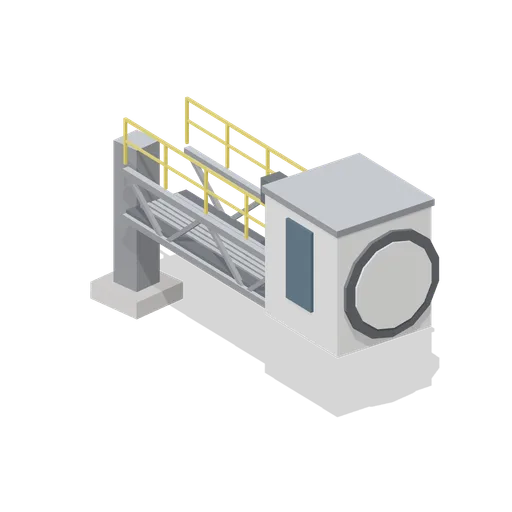
A 9.6 m crew access arm on a pivot column: a trussed walkway with handrails leading to a white room with a sealing collar, a window and a plant box. The whole arm is one node and swings back away from the vehicle.