3D Assets
@3dassets
 Animated
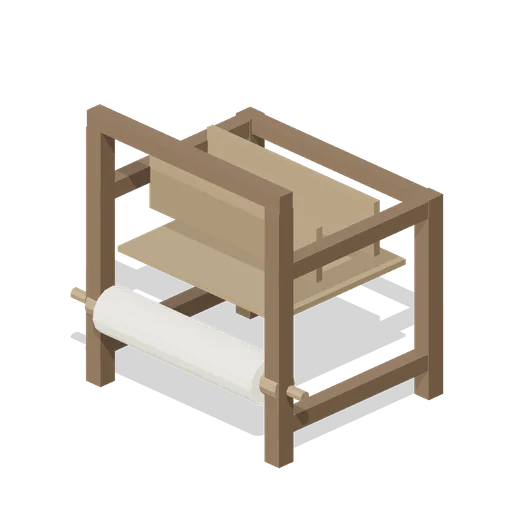
Hand Loom (Korean Hanok Village and Street)
A timber frame loom with a turning cloth beam, a heddle frame, a reed and a stretch of plain woven cloth on it.
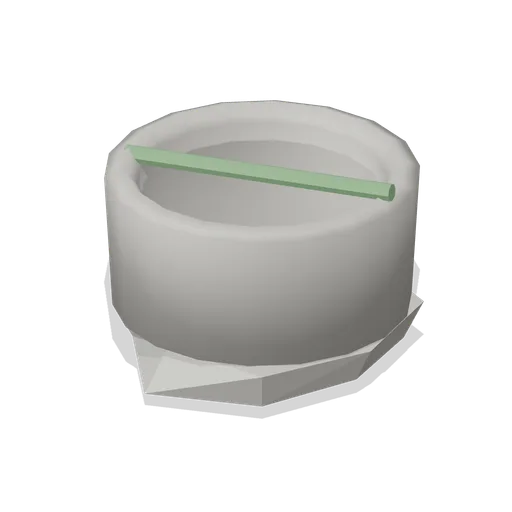
Stone Water Basin (Korean Hanok Village and Street)
A carved stone basin on a rough footing with a still pane of water in it and a bamboo dipper across the rim.
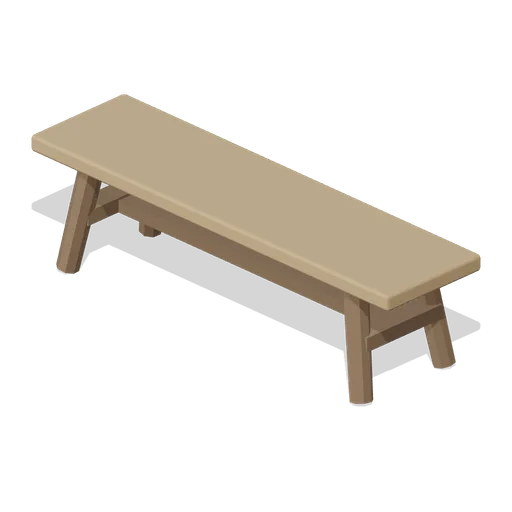
Wooden Bench (Korean Hanok Village and Street)
A plank bench on four splayed legs with a rail under each end, the seat a household keeps by the veranda for work and rest.

Standing Paper Lamp (Korean Hanok Village and Street)
A floor standing lamp: a square hanji shade in a timber frame on a turned post and a spread foot, for a room or a veranda.
 Animated
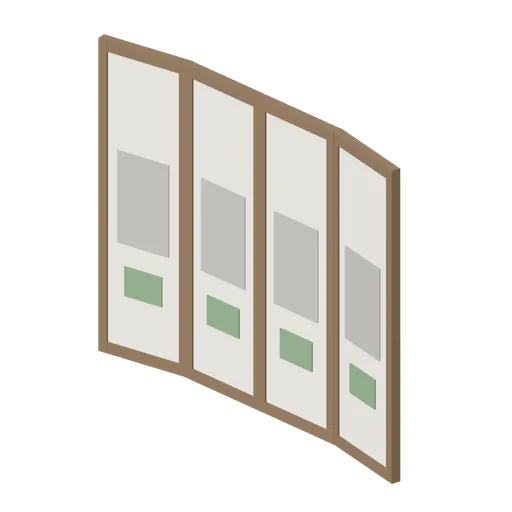
Folding Screen (Korean Hanok Village and Street)
A four leaf paper screen in a timber frame, the two outer leaves hinged so they fold forward, its fields painted in plain bands and blocks.
 Animated
Hanging Paper Lantern (Korean Hanok Village and Street)
A cylindrical hanji lantern on wooden rings, hung from a hook on a short cord, with a plain painted band round the paper.
 Animated
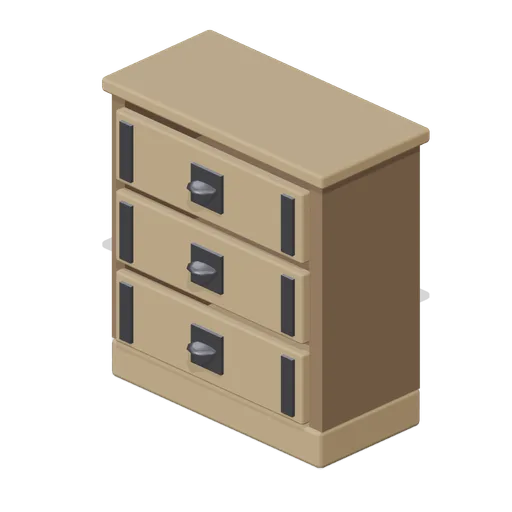
Chest Of Drawers (Korean Hanok Village and Street)
A hardwood chest on a plinth with three drawers on runners and iron plates and pulls, the storage of a hanok room.
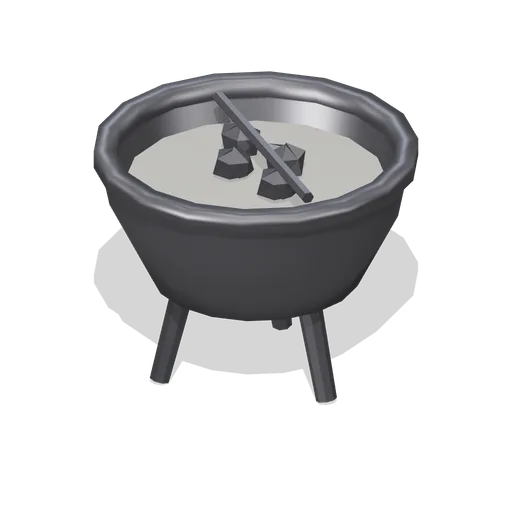
Charcoal Brazier (Korean Hanok Village and Street)
A cast iron brazier on three legs with a ring rim, a bed of ash and charcoal and a pair of tongs laid across it.
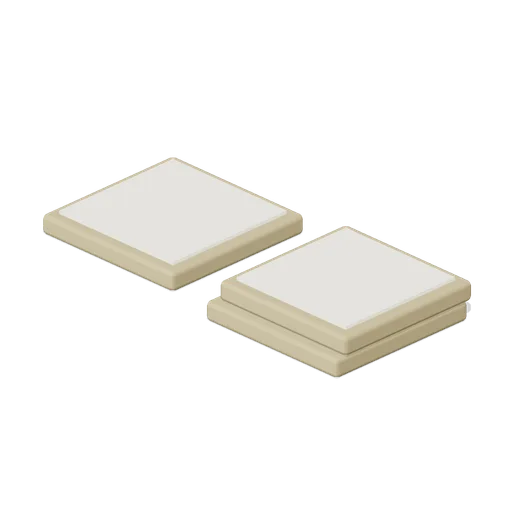
Floor Cushion Set (Korean Hanok Village and Street)
Three flat woven floor cushions, one laid out and two stacked, in plain bands with no pattern that reads as writing.
 Animated
Wooden Rice Chest (Korean Hanok Village and Street)
A heavy plank grain chest on short legs with an iron banded lid that lifts, the store a household measures its rice out of.
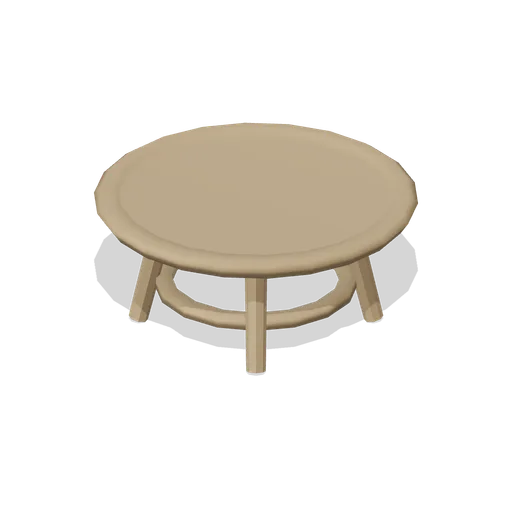
Low Table (Korean Hanok Village and Street)
A small lacquered soban with a rimmed round top on four turned splayed legs, low enough to eat from on the floor.
 Animated
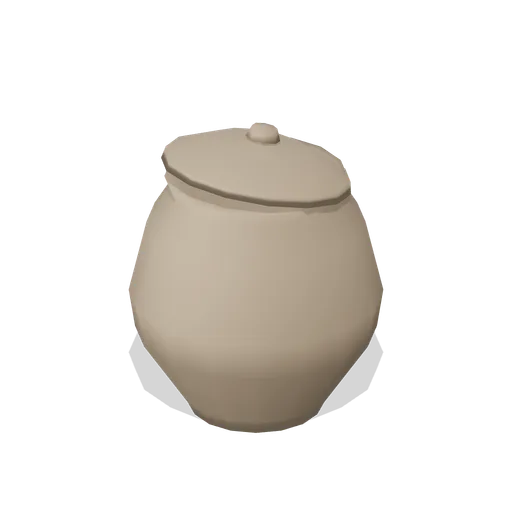
Onggi Jar, Medium (Korean Hanok Village and Street)
The same onggi jar at two thirds the size, for the middle row of a jangdokdae terrace.
 Animated
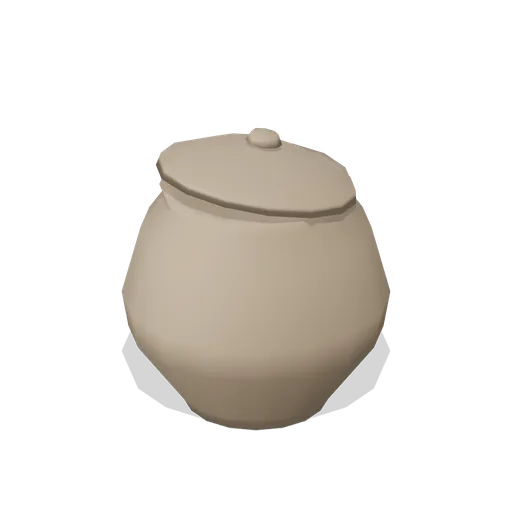
Onggi Jar, Small (Korean Hanok Village and Street)
The smallest onggi jar, a squat lidded pot for pickles and seasoning, for the front row of a terrace or a kitchen shelf.
 Animated
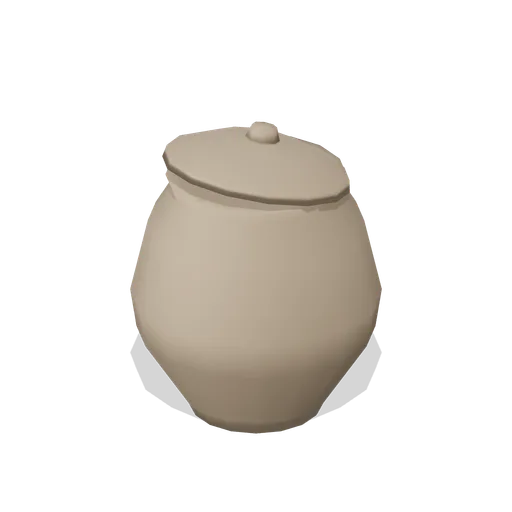
Onggi Jar, Large (Korean Hanok Village and Street)
A large bellied earthenware onggi jar with a shallow lid that lifts, the kind a household keeps soy and bean paste in.
 Animated
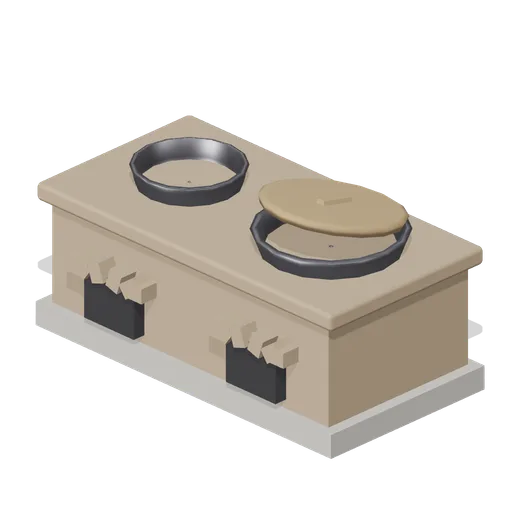
Kitchen Hearth Block (Korean Hanok Village and Street)
The raised clay hearth of a hanok kitchen with two iron cauldrons sunk into it, a lifting wooden lid on the larger one and two stoke holes below.
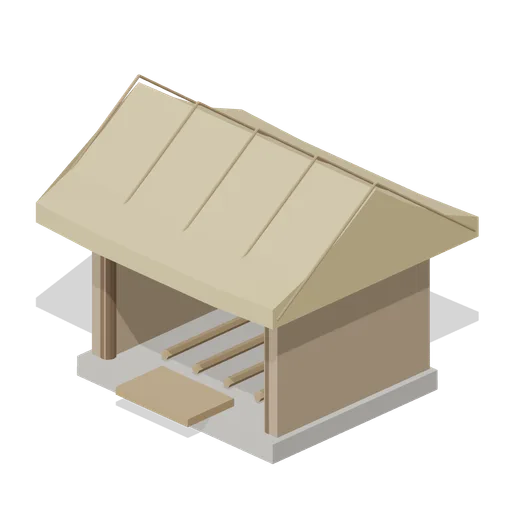
Thatched Outbuilding (Korean Hanok Village and Street)
A small store with clay walls on a stone footing, an open timber front and a straw thatched gable roof held down by a net of rope.
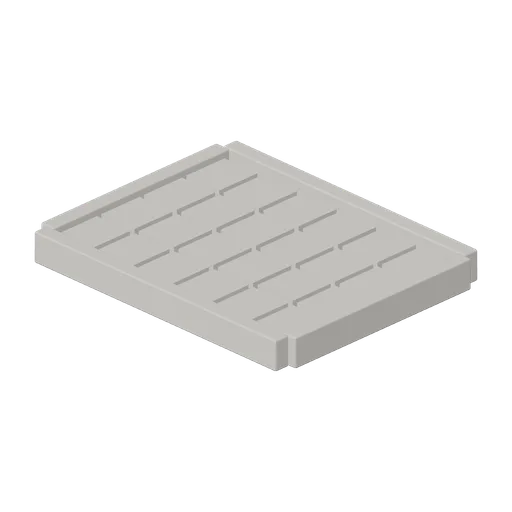
Jangdokdae Terrace (Korean Hanok Village and Street)
The raised stone terrace a household stands its fermentation jars on, with a kerb of dressed blocks and a swept flagged top.
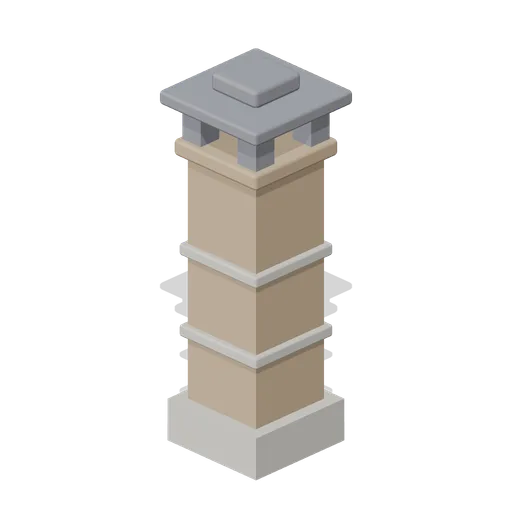
Chimney Stack (Korean Hanok Village and Street)
A free standing clay and stone chimney with a banded shaft and a small tiled cap, which is where a hanok flue comes up, well clear of the house.
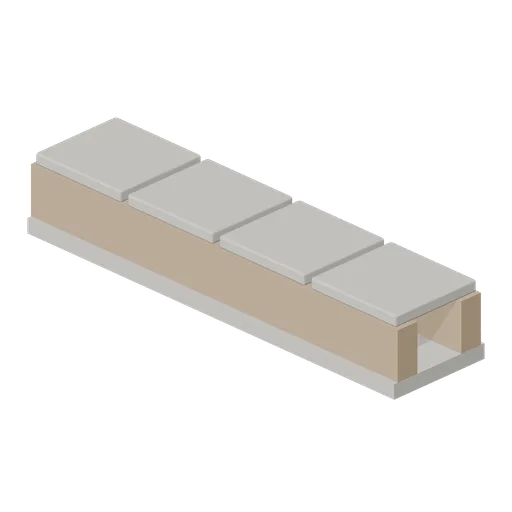
Ondol Flue Run (Korean Hanok Village and Street)
A 3 m run of underfloor flue: a clay duct on a stone bed with removable cover slabs over it, the heat path from the firebox to the chimney.
 Animated
Ondol Firebox (Korean Hanok Village and Street)
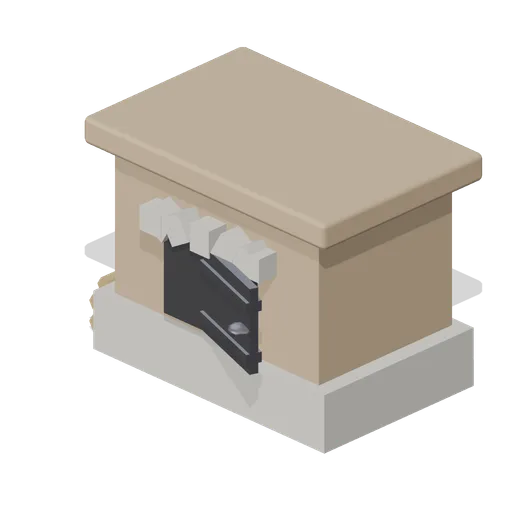
The agungi that heats a hanok floor: a clay and stone block with an arched mouth, an iron door on a hinge, an ash pit and a stack of split wood beside it.
Stepped Lane Module (Korean Hanok Village and Street)
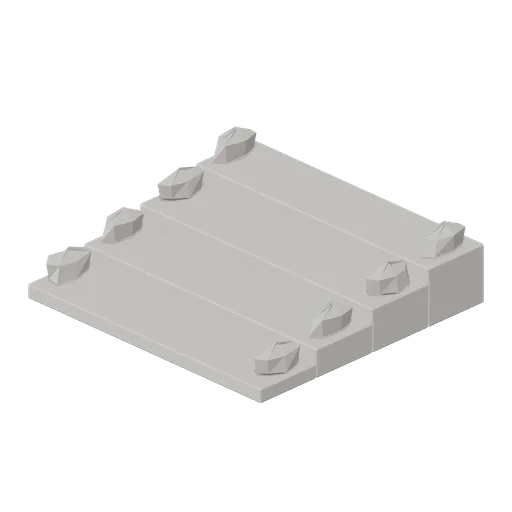
A 3 m wide flight of four shallow stone steps with a rubble kerb each side, the way a village lane climbs a slope.
Stone Street Module (Korean Hanok Village and Street)
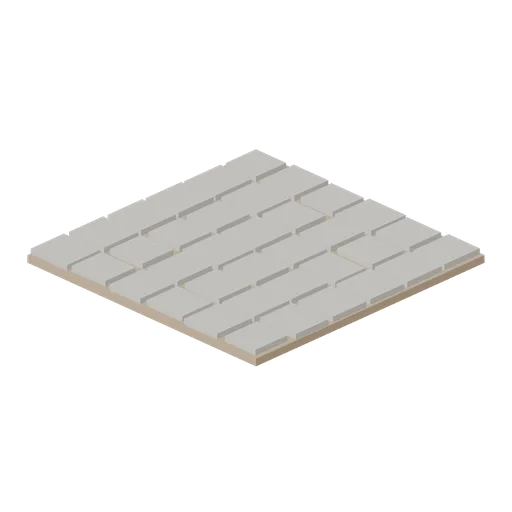
A 3 m square of village street laid in irregular stone setts on an earth bed, with the joints left open between them.
Courtyard Ground Module (Korean Hanok Village and Street)
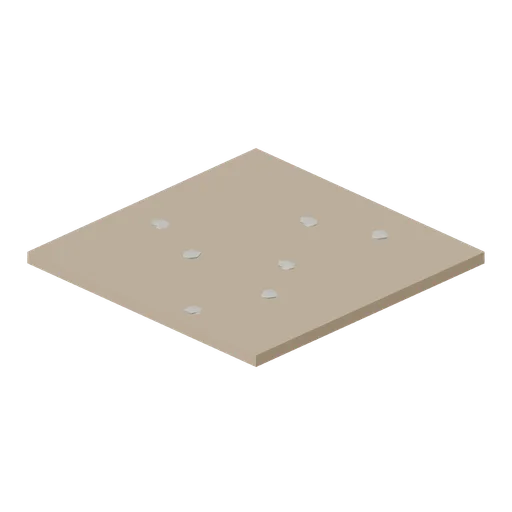
A 3 m square of beaten earth madang, the swept yard a hanok stands round, with a few small stones bedded in the surface.
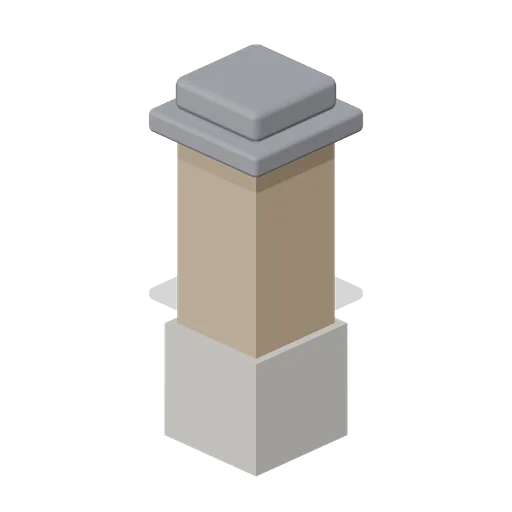
Village Wall End Pier (Korean Hanok Village and Street)
A square stone and clay pier with a tiled cap, to stop the end of a wall run at a gate or an opening.